
‘Once-in-a-lifetime’ explosion will bring a new star to the night sky
مع الاخذ بالعلم ان رمضان في يوليو/اغسطس حيث يوافق ١١ اغسطس ٢٥ رمضان ، فاول اغسطس هو منتصف رمضان
new star to the night sky
نجم جديد كبير احمر اللون سيظهر قي السماء
ماتوعدون خزنوا
خزنوا ده نجم هاسيظهر ٣ ايام بين الشمس والارض وتطلع الشمس من الغرب
ليس شهاب ولا نيزك ولا كوكب، لا نجم دوارف ميت احمر ده ،
مش بيتبخر ويختفي كما قال المقال ده نجم

جميع النجوم والكواكب تمشي من الشرق للغرب
مافيش حاجه بتطلع من تحت الا حاجه واحده بس، وبتلف بالعكس
لذلك قال الله والنجم اذا هوي مش اذا حود شمال ولا يمين
Astronomers are expecting a “new star” to appear in the night sky anytime between now and September in a celestial event that has been years in the making, according to NASA.
“It’s a once-in-a-lifetime event that will create a lot of new astronomers out there, giving young people a cosmic event they can observe for themselves, ask their own questions, and collect their own data,” said Dr. Rebekah Hounsell, an assistant research scientist specializing in nova events at NASA’s Goddard Space Flight Center in Greenbelt, Maryland, in a statement. “It’ll fuel the next generation of scientists.”
The expected brightening event, known as a nova, will occur in the Milky Way’s Corona Borealis, or Northern Crown constellation, which is located between the Boötes and Hercules constellations.
While a supernova is the explosive death of a massive star, a nova refers to the sudden, brief explosion from a collapsed star known as a white dwarf. The dwarf star remains intact, releasing material in a repetitive cycle that can occur for thousands of years.
“There are a few recurrent novae with very short cycles, but typically, we don’t often see a repeated outburst in a human lifetime, and rarely one so relatively close to our own system,” Hounsell said. “It’s incredibly exciting to have this front-row seat.”
T Coronae Borealis, otherwise known as the “Blaze Star,” is a binary system in the Corona Borealis that includes a dead white dwarf star and an aging red giant star. Red giants form when stars have exhausted their supply of hydrogen for nuclear fusion and begin to die. In about 5 billion or 6 billion years, our sun will become a red giant, puffing up and expanding as it releases layers of material and likely
evaporating the solar system’s inner planets, although Earth’s fate remains unclear, according to NASA.
Every 80 years or so, T Coronae Borealis experiences an explosive event.
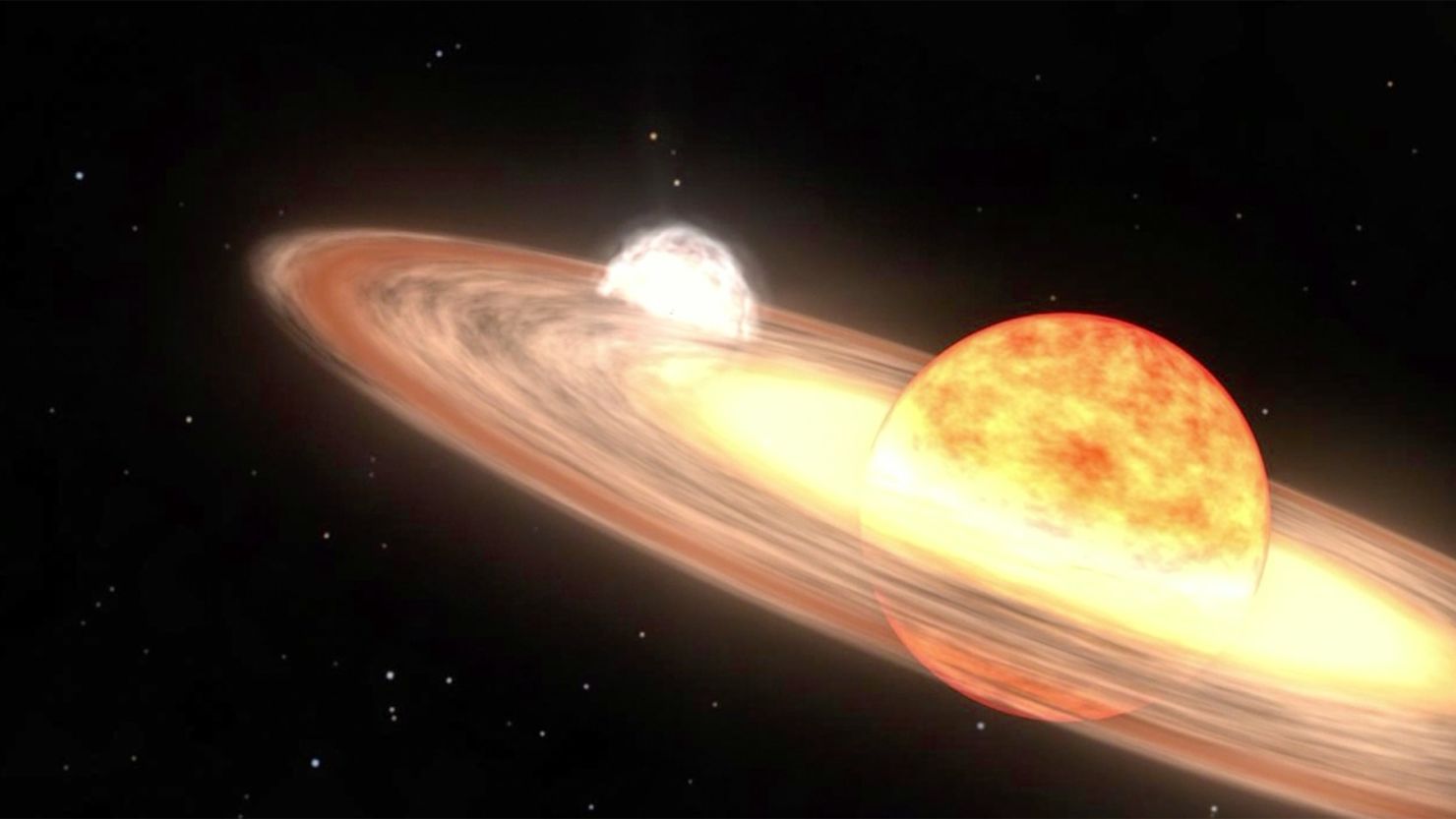
The stars in the orbiting pair are close enough to each other that they interact violently. The red giant becomes increasingly unstable over time as it heats up, casting off its outer layers that land as matter on the white dwarf star.
The exchange of matter causes the atmosphere of the white dwarf to gradually heat until it experiences a “runaway thermonuclear reaction,” resulting in a nova as seen in the animation below, according to the space agency.
Keeping an eye on the changing sky
A nova was releasing from T Coronae Borealis in the fall of 1217 when a man named Burchard, abbot of Ursberg, Germany, noted his observance of “a faint star that for a time shone with great light,” according to NASA. It was the first recorded observation of the Blaze Star.
T Coronae Borealis last experienced an explosive outburst in 1946, and astronomers are keeping a watchful eye on the star system once more.
“Most novae happen unexpectedly, without warning,” said William J. Cooke, NASA Meteoroid Environments Office lead, in an email. “However, T Coronae Borealis is one of 10 recurring novae in the galaxy. We know from the last eruption back in 1946 that the star will get dimmer for just over a year before rapidly increasing in brightness. T Coronae Borealis began to dim in March of last year, so some researchers are expecting it to go nova between now and September. But the uncertainty as to when this will happen is several months — can’t do better than that with what we know now.”
The star system, located 3,000 light-years from Earth and typically too dim to be seen with the naked eye, is expected to reach a level of brightness similar to that of Polaris, or the North Star.
Once the nova peaks in brightness, it will be as if a new star has appeared — one that’s visible for a few days without any equipment and a little over a week with binoculars before it dims and disappears from sight for another 80 years or so.
The nova will appear in a small arc between the Boötes and Hercules constellations, and will be visible from the Northern Hemisphere.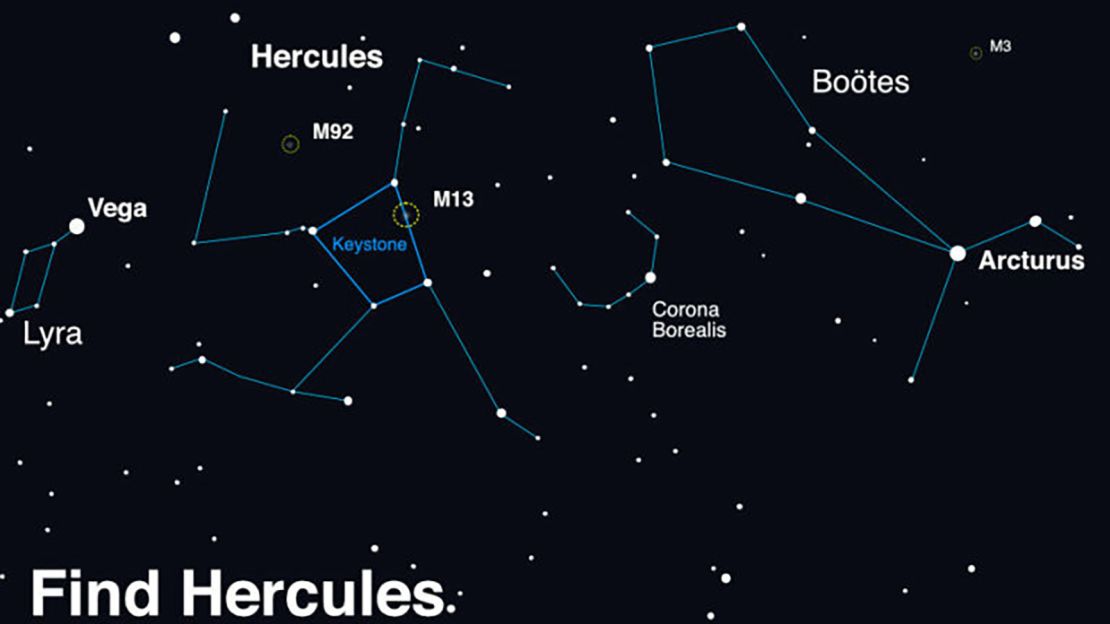
“The Northern Crown is a horseshoe-shaped curve of stars west of the Hercules constellation, ideally spotted on clear nights,” according to a release shared by NASA. “It can be identified by locating the two brightest stars in the Northern Hemisphere — Arcturus and Vega — and tracking a straight line from one to the other, which will lead skywatchers to Hercules and the Corona Borealis.”
Observations around the world
The event promises to be an exciting one for amateur astronomers, said Dr. Elizabeth Hays, chief of the Astroparticle Physics Laboratory at NASA Goddard.
“Citizen scientists and space enthusiasts are always looking for those strong, bright signals that identify nova events and other phenomena,” Hays said. “Using social media and email, they’ll send out instant alerts, and the flag goes up. We’re counting on that global community interaction again with T CrB.”
Astronomers will observe the nova using a range of ground- and space-based telescopes, and data from citizen scientists could help astronomers piece together what happens before the eruption as well, Hounsell said.
Typically, nova events are so distant and faint that it’s difficult to identify the full picture of the eruption, but “this one will be really close, with a lot of eyes on it,” Hays said.
“Studying recurring novae like T Coronae Borealis help us understand the mass transfer between the stars in these systems and provide insights into the thermonuclear runaway that occurs on the surface of the white dwarf when the star goes nova,” Cooke said.
Cooke recalled that the last nova he witnessed — Nova Cygni in 1975 — had a similar brightness to what is expected from T Coronae Borealis. Nova Cygni is not expected to experience another explosion again.
“I was a teenage astronomy geek about to start college and was outside on the night of August 29,” Cooke said. “Glancing at the sky, I noticed that the constellation of Cygnus was messed up; there was a star that shouldn’t be there. After enduring some comments from friends who thought I was crazy, I got them to look and we realized that we were looking at a nova! It was a very memorable experience and reinforced my choice of astronomy as a career. I used to joke that a star had to explode in order to get me to suffer through undergraduate physics.”
While it’s possible that T Coronae Borealis won’t explode by September, astronomers plan to monitor it just in case.
“Recurrent novae are unpredictable and contrarian,” said Dr. Koji Mukai, an astrophysics researcher at NASA Goddard, in a statement. “When you think there can’t possibly be a reason they follow a certain set pattern, they do — and as soon as you start to rely on them repeating the same pattern, they deviate from it completely. We’ll see how T CrB behaves.”
https://media.cnn.com/api/v1/loops/stellar/prod/20240319-novacyg-900×506-loop.mp4?c=original
ترجمه جوجل

Machine Translated by Google
انفجار “يحد ث مرة واحدة ف ي العمر”سيجلب نج ًما جدي ًدا إلىسماء الليل
اشل يستريكلاند
قمبالتسجيل ف ي النشرة الإخبارية للعلوم Wonder Theoryعلى قناة .CNNاستكشف الكونبأخبار الاكتشافا ت الرائعة والتقدم العلم ي والمزيد.
س ي إن إن –عادي
يتوقع علماء الفلك ظهور “نجم جديد” ف يسماء الليل ف ي أي وقت من الآن وحتىسبتمبر/أيلول، ف ي حد ث
سماوي استمر لسنوا ت، وفقا لوكالة ناسا. “إنهحد ثيحد ثمرةواحدةفيالعمروسيخلقالكثيرمنالأشياءالجديدة
ع ل م ا ء ا ل ف ل ك ه ن ا ك ، و إ ع ط ا ء ا ل شب ا ب ح دث ا ك و ن ي ا
3:43 ،15/06/2024مسا ًء https://edition.cnn.com/2024/06/11/science/nova-new-star-rOgO5AqDkaumpNSeZlE_aem_ZmFrZWR1bW15MTZieXRlcw الصفحة 1من 6

Machine Translated by Google
قالت الدكتورة ريبيكا هونسيل، عالمة أبحا ث مساعدة متخصصة ف ي أحدا ث المستعرا ت ف ي مركز غودارد لرحلا ت الفضاء التابع لناسا ف ي جرينبيلتبولاية ماريلاند، ف يبيان: “يمكنهم المراقبةبأنفسهم، وطرح أسئلتهم الخاصة،وجمعالبيانا تالخاصةبهم”.”سوفيغذيالجيلالقادممنالعلماء.”
سيحد ث هذا الحد ث الساطع المتوقع، والمعروفباسم المستعر، ف ي كوكبة الإكليل الشمال ي ف ي در ب التبانة، أو كوكبة التاج الشمال ي، والت ي تقعبين كوكبت ي .Herculesو Boötes
ف ي حين أن المستعر الأعظم هو المو ت الانفجاري لنجم ضخم،يشير المستعر إلى انفجار مفاج ئ وقصير من نجم منهاريعرفباسمالقزمالأبيض.يبقىالنجمالقزمسليما،ويطلقالموادفيدورةمتكررةيمكنأنتحد ثلآلاف السنين.
” هناك عدد قليل من المستعرا ت المتكررة ذا ت دورا ت قصيرة ج ًدا، ولكن عاد ًة، لا نرى انفجا ًرا متكر ًرا ف ي حياة الإنسان، وناد ًرا مايكون قري ًبا نسب ًيا من نظامنا”.
“قال هونسيل. “إنه أمر مثير للغاية أنيكون لديك هذا المقعد ف ي الصف الأمام ي.”
،T Coronae Borealisوالمعروف أي ًضاباسم ،”Blaze Star” هو نظامثنائ ي ف ي Corona Borealisيتضمن ن ج ًم ا ق ز ًم ا أب ي ض م ي ًت ا و ن ج ًم ا ع م لا ًق ا أ ح مًر ا ق دي ًم ا .تت ش ك ل ا ل ع م ا ل ق ة ا ل ح م ر ا ء ع ن د م ات ست ن ف د ا ل ن ج و م م خ ز و ن ه ا م ن الهيدروجين اللازم للاندماج النووي وتبدأ ف ي المو ت. وف ي غضون حوال ي 5أو 6مليارا تسنة،ستصبحشمسنا عملا ًقا أحمر،تنتفخ وتتوسعلأنهاتطلق طبقا ت من المواد ومن المحتمل أنتبخر الكواكب الداخلية للنظام الشمس ي، على الرغم من أن مصير الأرض لايزال غير واضح، وف ًقا لوكالة ناسا.
كل 80عا ًما أو نحو ذلك،يتعرض T Coronae Borealisلانفجار حد ث.
النجوم ف ي الزوج المداري قريبةبمايكف ي منبعضها البعض
3:43 ،15/06/2024مسا ًء https://edition.cnn.com/2024/06/11/science/nova-new-star-rOgO5AqDkaumpNSeZlE_aem_ZmFrZWR1bW15MTZieXRlcw الصفحة 2من 6

Machine Translated by Google
يتفاعلونبعنف.يصبح العملاق الأحمر غير مستقربشكل متزايد مع مرور الوقت مع ارتفاع حرارته، ممايؤدي إلى التخلص من طبقاته الخارجية الت يتهبط علىشكل مادة على النجم القزم الأبيض.
ويتسببتبادل المادة ف يتسخين الغلاف الجوي للقزم الأبيضتدريجًًيا حتىيواجه “تفاع ًلا نوويًا حراريًا هاربًا”، مما يؤدي إلى ظهور مستعر كما هو موضح ف ي الرسوم المتحركة أدناه، وفقا لوكالة الفضاء.
مراقبة السماء المتغيرة
ك ا ن ا ل م س ت ع ر ي ن ط ل ق م ن T C o r o n a e B o r e a l i s ف ي خ ر ي ف ع ا م 7 1 2 1 ع ن د م ا لا ح ظ ر ج ل يُ د ع ى ب و ر ش ا ر د ، ر ئ ي س د ي ر أ و ر س ب ي ر ج ب أ ل م ا ن ي ا ، م ر ا ق ب ت ه لـ “نجم خافت أشرق لفترة من الوقتبضوء عظيم”، وف ًقا لوكالة ناسا. كانت هذه أول ملاحظة مسجلة لنجم الحريق.
آخر مرةشهد فيها T Coronae Borealisانفجا ًرا متفج ًرا كان ف ي عام ،1946ويراقب علماء الفلك النظام النجم ي ع ن كث ب
مرة أخرى.
يقول ويليام ج. كوك، رئي س مكتببيئا ت النيازك ف ي ناسا، ف ي رسالةبالبريد الإلكترون ي. “ومع ذلك، فإن T Coronae Borealis هو واحد من 10مستعرا ت متكررة ف ي المجرة. نحن نعلم من الثوران الأخير الذي حد ث ف ي عام
1946أن النجمسيصبح خاف ًتا لمدةتزيد قليلاً عن عام قبل أنيزدادسطوعهبسرعة.بدأ T Coronae Borealisف ي الخفو ت ف يشهر مارس منالعامالماضي،لذلكيتوقعبعضالباحثينأنيتحولإلىمستعرمنالآنوحتىسبتمبر.لكنعدماليقينبشأنموعدحدو ثذلك
الآن.”
يستغرق عدة أشهر، ولايمكن أن نفعل أفضل من ذلك وف ًقا لما نعرفه
يقع النظام النجم ي علىبعد 3000سنة ضوئية من الأرض وعادة مايكون
3:43 ،15/06/2024مسا ًء https://edition.cnn.com/2024/06/11/science/nova-new-star-rOgO5AqDkaumpNSeZlE_aem_ZmFrZWR1bW15MTZieXRlcw الصفحة 3من 6

Machine Translated by Google
خافت ج ًدابحيث لايمكن رؤيتهبالعين المجردة، ومن المتوقع أنيصل إلى مستوى من السطوع مماثل لمستوىسطوع نجم القطب الشمال ي، أو نجم الشمال.
بمجرد أنيصلسطوع المستعر إلى ذروته،سيكون الأمر كما لو أن نج ًما جدي ًدا قد ظهر -نجميمكن رؤيته لبضعة أيام دون أي معدا ت وما يزيد قليلاً عن أسبوعبالمنظار قبل أنيخفت ويختف ي.
يختف ي عن الأنظار لمدة 80عا ًما أخرى أو نحو ذلك.
سوفتظهر المستعرة ف ي قوس صغيربين كوكبت ي ،Herculesو Boötesوستكون مرئية من نصف الكرة الشمال ي.
“التاج الشمال ي عبارة عن منحنى من النجوم علىشكل حدوة حصان غر ب كوكبة هرقل، ويتم رصدهبشكل مثال ي ف ي الليال ي الصافية”، وف ًقا لبيان مشترك من قبل وكالة ناسا. “يمكن التعرف عليه من خلالتحديد موقع النجمين الأكثرسطو ًعا ف ي نصف الكرة الشمال ي –
Hercules وCorona Borealis”. وتتبع خط مستقيم من أحد هما إلى الآخر، مماسيقود مراقب ي السماء إلى- Arcturus وVega
3:43 ،15/06/2024مسا ًء https://edition.cnn.com/2024/06/11/science/nova-new-star-rOgO5AqDkaumpNSeZlE_aem_ZmFrZWR1bW15MTZieXRlcw الصفحة 4من 6

Machine Translated by Google
الملاحظا ت ف ي جميع أنحاء العالم
وقالت الدكتورة إليزابيث هايز، رئيسة مختبر فيزياء الجسيما ت الفلكية ف ي ناسا جودارد، إن الحد ثيعدبأنيكون مثي ًرا لعلماء الفلك الهواة.
وقال هايز: “يبحث العلماء المواطنون وعشاق الفضاء دائ ًما عنتلك الإشارا ت القوية والمشرقة الت يتحدد أحدا ث المستعرا توالظواهرالأخرى”.”باستخداموسائلالتواصلالاجتماعيوالبريدالإلكتروني،سيرسلونتنبيها ت فورية، ويرتفع العلم. نحن نعتمد علىتفاعل المجتمع العالم ي مرة أخرى مع .T CrB
وقال هونسيل إن علماء الفلكسوفيراقبون المستعرباستخدام مجموعة من التلسكوبا ت الأرضية والفضائية، وي م ك ن أ نت س ا ع د ا لب ي ا ن ا ت ا ل و ا ر د ة م ن ا ل ع ل م ا ء ا ل م و ا ط ن ي ن ع ل م ا ء ا ل ف ل ك ع لىت ج م ي ع م ا ي ح د ث قب ل ا لا ن ف ج ا ر أي ًض ا .
عاد ًة ماتكون أحدا ث المستعرا تبعيدة ج ًدا وخافتة لدرجة أنه من الصعبتحديد الصورة الكاملة للثوران، ولكن ” هذا الحد ثسيكون قري ًبا ج ًدا، مع الكثير من الأعين عليه”، كما قال هايز.
“إن دراسة المستعرا ت المتكررة مثل T Coronae Borealisتساعدنا على فهم انتقال الكتلةبين النجوم ف ي هذه الأنظمةوتقديمنظرةثاقبةللهرو بالنوويالحراريالذييحد ثعلىسطحالقزمالأبيضعندمايتحولالنجمإلى م ست ع ر “
قال.
يتذكر كوك أن آخر مستعرشا هده Nova Cygni -ف ي عام – 1975كان لهسطوع مماثل لما هو متوقع من .T Coronae Borealisومن غير المتوقع أنتشهد Nova Cygniانفجا ًرا آخر مرة أخرى.
“كنت مراه ًقا مهوو ًسابعلم الفلك على وشك البدءبالجامعة وكنت كذلك
3:43 ،15/06/2024مسا ًء https://edition.cnn.com/2024/06/11/science/nova-new-star-rOgO5AqDkaumpNSeZlE_aem_ZmFrZWR1bW15MTZieXRlcw الصفحة 5من 6

Machine Translated by Google
قال كوك: “ف ي الخارج ليلة 29أغسط س”. “نظ ًرا إلى السماء، لاحظت أن كوكبة الدجاجة كانت ف ي حالة فوضى؛ كان هناك نجم لاينبغ ي أنيكون هناك.بعدتحملبعض التعليقا ت من الأصدقاء الذين ظنوا أنن ي مجنون، جعلتهم
ينظرونوأدركناأنناكناننظرإلىنوفا!لقدكانتتجربةلاتُنسىوعزز تاختياريلعلمالفلككمهنة.كنتأمزحقائلاً إن النجم لابد أنينفجر ليتسبب ف ي معانات ي أثناء دراست ي ف ي الفيزياء«.
ف ي حين أنه من المحتمل ألاينفجر T Coronae Borealisبحلولشهرسبتمبر، إلا أن علماء الفلك يخططون لمراقبته ف ي حالة حدوثه.
وقال الدكتور كوج ي موكاي،باحث الفيزياء الفلكية ف ي وكالة ناسا جودارد، ف يبيان: “المستعرا ت المتكررة لا يمكن التنبؤبها ومتناقضة”. “عندماتعتقد أنه لايمكن أنيكون هناكسبب لاتباعهم نم ًطا معي ًنا، فإنهم يفعلون ذلك -وبمجرد أنتبدأ ف ي الاعتماد عليهم ف يتكرار نف س النمط، فإنهمينحرفون عنهتما ًما.سنرى كيف يتصرف “.T CrB
3:43 ،15/06/2024مسا ًء https://edition.cnn.com/2024/06/11/science/nova-new-star-rOgO5AqDkaumpNSeZlE_aem_ZmFrZWR1bW15MTZieXRlcw الصفحة 6من 6




 The lost prophecy
You must be logged in to post a comment.