The lost prophecy

Knowledge is power – العلم قوه

  • Home
  • Posts
  • About Me
  • المهدي المنتظر
  • صاحب مصر
  • NEMSIS نمسيس
  • اسم بسوسنس الحقيقي
  • صحف موسي
    • طلب صحف موسي
  • صحف ابراهيم
    • طلب صحف ابراهيم
  • آثار الانبياء
    • طلب كتاب معابد الانبياء واثارهم – محاريب سليمان في مصر

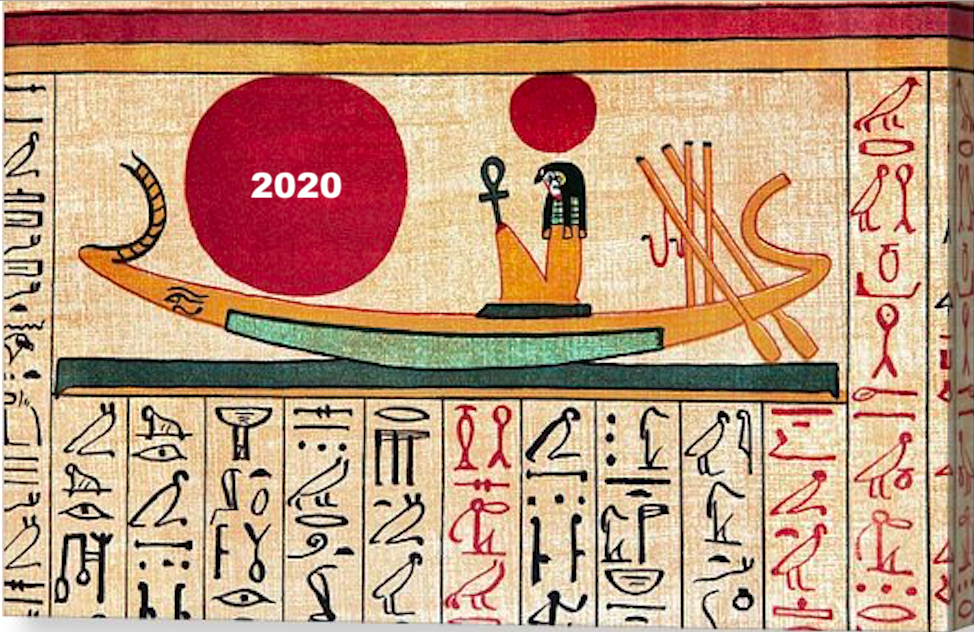
Jane Dixon: 2020 destruction and judgment

Posted by Wael Baseem on January 14, 2019
Posted in: NEMSIS نمسيس. Leave a comment

جين ديكسون 2020 هي سنه الدمار والحساب

screen shot 2018-12-01 at 9.57.47 am

Jane Dixon
and the Star of nemsis and boy of Egypt
—————————————————

one of the most hidden prophecies cause she mentioned 2020 as THE year


25396107_1922083238107932_7535316552759915030_n


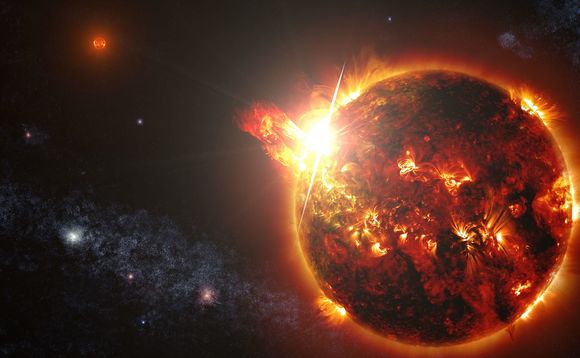
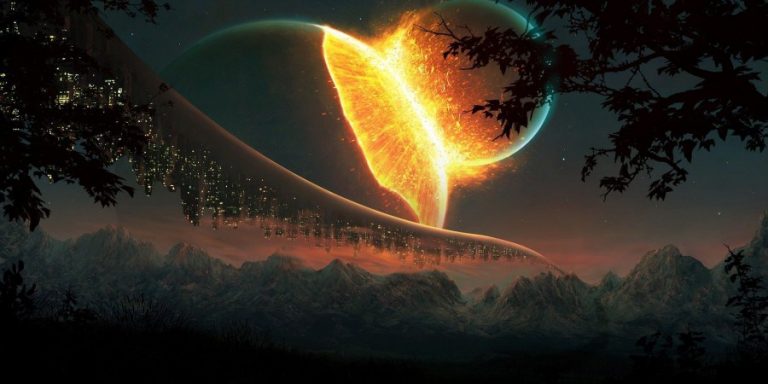
It is a large star with a long tail that cuts the ground and destroys souls
And the maiden of America will be the first to be placed on the throne of destruction
They said it was an alleged planet but they were in clouds
It is the sign that the flood comes to dispel the earth from destruction by destruction
To keep only the warriors, the snow melts and the earth clears
Plague, death, vibration and non-emphasis
maxresdefault 2.jpg
And the evil eye is watching, waiting in its haste to go out to its limits
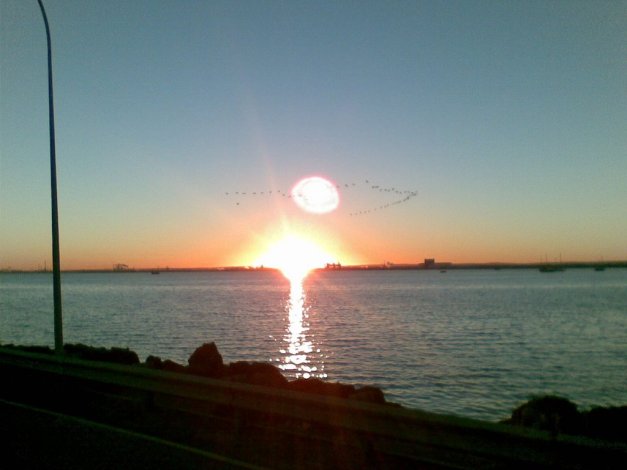
The earth will fall in reverse and its sun will become bright for no sunset
And the sunrise shall become a sunset, and the sea shall perish
And total destruction and destruction in all corners of the earth
Thunderous death, storms, winds and a great flood to separate the judgment of God
And the young man rules the land and rejoices in his rule after the injustice in every direction
screen shot 2019-01-14 at 7.10.02 pm
They say it is an alleged but he knows the planet of the God
He will teach them in every way he will revolt and revolt
The earth changes, and its poles reversed
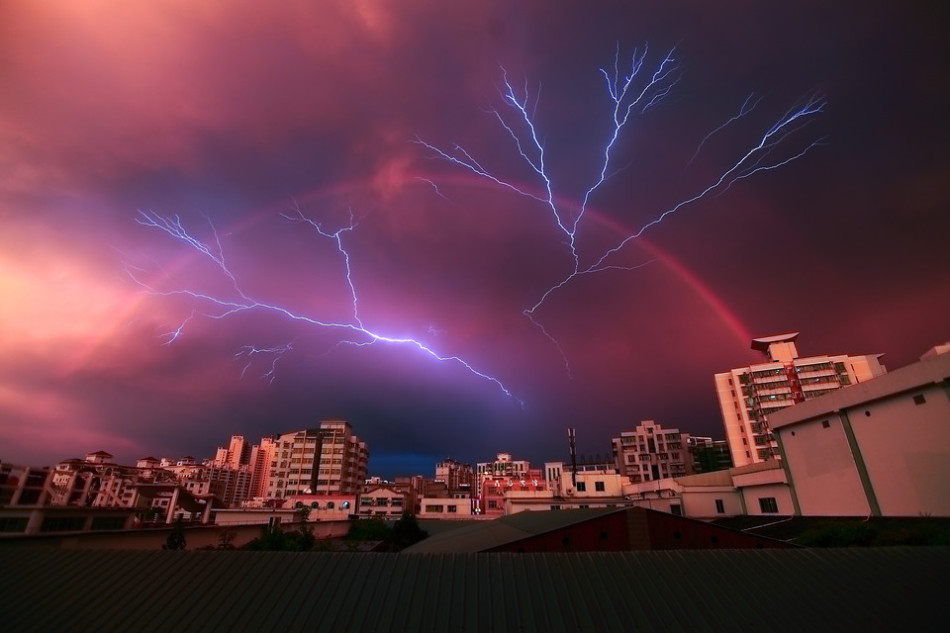
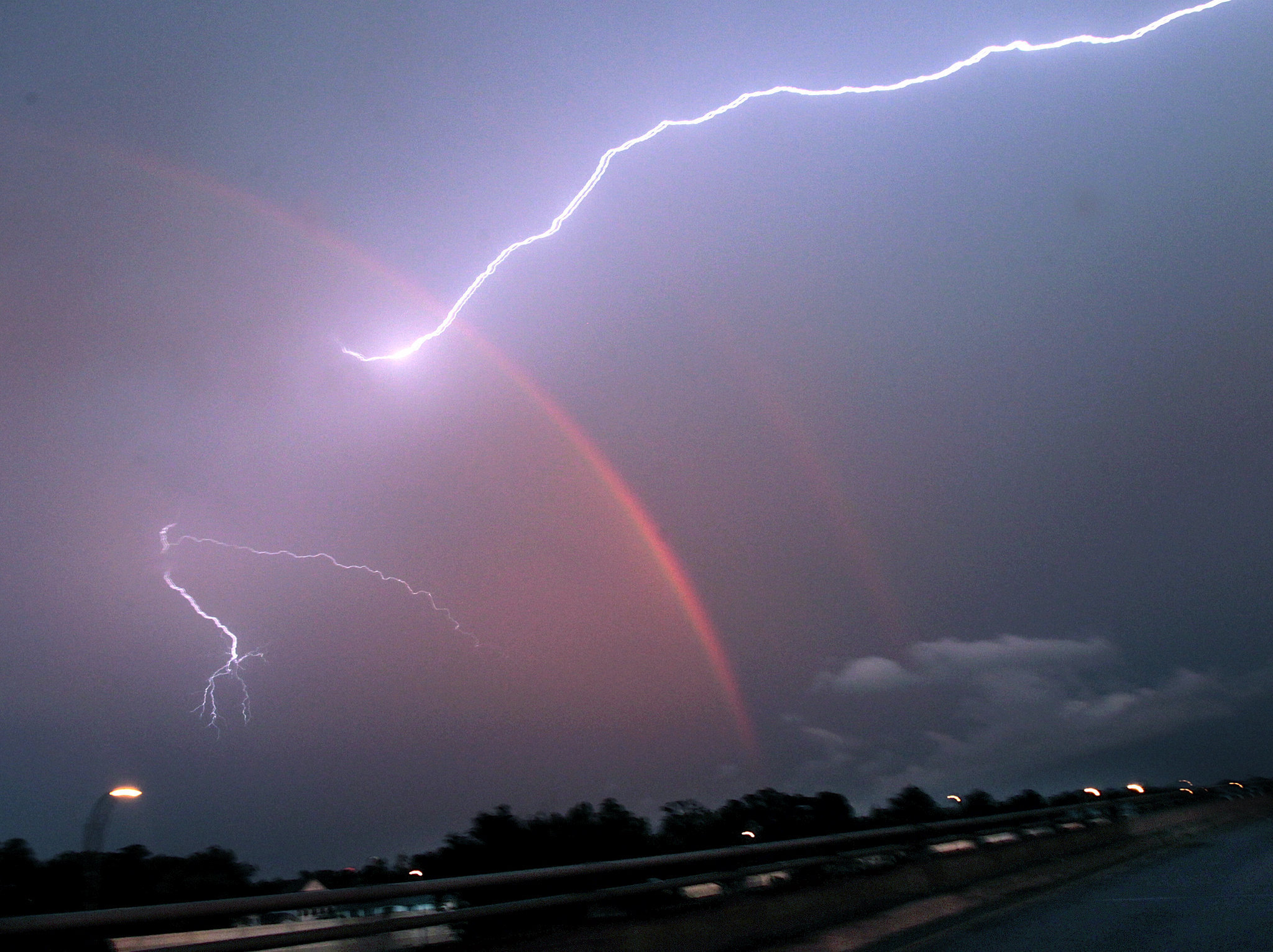
sunset-over-the-rainbow-stunning-scenes-in-the-skies-over-atlanta-as-a-spring-storm-makes-way-for-an-unusual-sight
this child
It would be a great affair.
There is no argument that this child, when he grows up, will unite all faiths in one faith,
She realizes that this doctrine will not be the Christian faith she knows
, But another kind of unification based on God’s supreme power
And that the most important battles of this child will be a miracle against religious fanaticism and Salafism and the traders of religion and the dreams of the simple and those who will cause a big stalemate to Egypt, like a dagger almost devoid of it is the permissible sedition dagger,
الولي الختم
He will be a rabbani and he is loved by followers of all faiths
She sees that there is a clear similarity between the childhood of Jesus Christ and the childhood of the Egyptian child. Both were born in a place and then moved with his family to another place in search of security and stability.
She says that Jesus, when he was a twelve-year-old boy, realized the role he had played on the stage of life
screen shot 2016-01-11 at 3.58.38 pm
And that he spent about 18 years preparing himself for the message, which lasted about three and a half years,
The Egyptian child will be about the same,
At the age of 11 and before his twelfth birthday, something very important will happen to him
Within himself he will feel that he is preparing for a major task in life but he does not know it
It will be long when he grows up, a strong structure, and the mystery of his name revolves around the letter Mim,
A poor family is created to fight,
And be very intelligent, so that he himself is surprised by his ability to understand and learn,
He would like to read, and know in himself that he is a vulgar to a great task, and be very religious when he is seventeen, but he is allowed and flattered.
sun_and_moon_by_paradoxroga

وقالت جين ديكسون في النجم الطارق وفتي مصر

انها رات نجم كبير بذيل طويل يشق الارض ويدمر النفوس

وتكون الزانيه امريكا اول من يوضع علي عرش الدمار

ففد قالوا عنه كوكب مزعوم ولكن هم في غيوم

هو العلامه هو الطوفان ياتي لينثذ الارض من دمار بدمار

ليبقي فقط المحاربون ، ويذوب الثلج وتنقشع الارض

وطاعون وموت واهتزاز وعدم ارتكاز

وعين الشر تراقب تنتظر في عجاله خروجها لامحاله

وتلف الارض عكس الاتجاه وتصبح شمسها ساطعه لاغروب

والشروق يصبح غروب وبحور تفور

وانهيار ودمار شامل في كل اركان الارض

وموت غائر وعواصف ورياح وطوفان كبير ليفصل حكم الاله

ومنها يحكم الفتي الارض وتسعد بحكمه بعد ان فشي الظلم في كل اتجاه

يقولون عنه انه كوكب مزعوم ولكنه معلوم من الاله

الغتي يعلمه وهو بكل اتجاه يثور ويثور

وتتغيرالارض ومن عليها ويتبدل قطبيها

13168388

هذا الطفل
سيكون له شأن عظيم.
وليس هناك جدل في أن هذا الطفل عندما يكبر سيوحد كل العقائد في عقيدة واحدة،

وهي تدرك أن تلك العقيدة لن تكون هي العقيدة المسيحية التي تعرفها هي
، بل نوع آخر من التوحيد بناء على قوة الله العليا

وأن أهم معارك هذا الطفل المعجزة ستكون ضد التعصب الديني والسلفية والمتاجرين بالدين وأحلام البسطاء والذين سيتسببون في كبوة كبيرة لمصر، أشبه بخنجر يكاد يفتك بها هو خنجر الفتنة المسموحة،
وهو سيكون ربانيا يحبه أتباع كل الديانات

وهي ترى أن هناك تشابها واضحا بين طفولة السيد المسيح عليه السلام وطفولة الطفل المصري فكلاهما ولد في مكان ثم انتقل مع أهله إلى مكان آخر بحثا عن الأمن والاستقرار.

live-2

وتقول: إن السيد المسيح عندما كان صبيا في الثانية عشر أدرك الدور الذي أعد له على مسرح الحياة
وأنه أمضى حوالي 18 عاما في إعداد نفسه للرسالة التي استمرت حوالي ثلاث سنوات ونصف السنة،

وسوف يحدث الطفل المصري نفس الشيء تقريبا،
فهو في سن الحادية عشر وقبل بلوغه الثانية عشر سيحدث له شيء بالغ الأهمية
سيشعر داخل نفسه أنه يؤهل لمهمة كبرى في الحياة ولكنه لا يعلم كنهه

بيت ابسيم

سيكون طويلا عندما يكبر، ذا بنية قوية، وسر اسمه يدور حول حرف الميم،
وينشأ فقيرا لأسرة مكافحة،
ويكون شديد الذكاء، حتى أنه هو نفسه يندهش من قدرته على الفهم والتعلم،
وسيحب القراءة، ويعرف في نفسه أنه خل لمهمة عظيمة، ويكون متدينا جدا عندما يبلغ السابعة عشر، لكنه تدين سمح ورقيق.

SONY DSC

Jane Holmes Dixon (born Jane Hart Holmes;

July 24, 1937 – December 25, 2012) was an American bishop of the Episcopal Church. She was a suffragan bishop in the Episcopal Diocese of Washington and served as Bishop of Washington pro tempore from 2001 to June 2002.[1] She was the second woman consecrated as a bishop in the Episcopal Church.[2] She died unexpectedly in her sleep in her home in Cathedral Heights on Christmas Day morning in 2012.[3]


صاحب مصر

www.paypal.me/wbaseem

  • Share on Telegram (Opens in new window) Telegram
  • Email a link to a friend (Opens in new window) Email
  • Share on Tumblr
  • Share on Mastodon (Opens in new window) Mastodon
  • More
  • Tweet
  • Post
  • Share on Reddit (Opens in new window) Reddit
  • Print (Opens in new window) Print
Like Loading...

الولي الختم وجبريل وميكال

Posted by Wael Baseem on December 30, 2018
Posted in: NEMSIS نمسيس, المهدي المنتظر, صاحب مصر. Tagged: نهج البلاغه, المهدي المنتظر, المسيح, النجم الطارق, الولي الختم, الحلاج, الطواسين, خطبه الملاحم, صاحب مصر, صحابي مصر, علي بن ابي طالب. Leave a comment

الولي الختم

الولي الختم 

وجبرئيل عن يمينه وميكائيل عن شماله وإسرافيل من ورائه والغمام من فوق رأسه والنصر من بين يديه والعدل تحت أقدامه ويظهر للناس كتابا جديدا وهو على الكافرين صعب شديد

علي بن ابي طالب

علي رضي الله عنه في صاحب مصر من خطبه الملاحم


كتاب الولي الختمطَبِيبٌ دَوَّارٌ بِطِبِّهِ قَدْ أَحْكَمَ مَرَاهِمَهُ وَأَحْمَى مَوَاسِمَهُ يَضَعُ ذَلِكَ حَيْثُ الْحَاجَةُ إِلَيْهِ مِنْ قُلُوبٍ عُمْيٍ وَآذَانٍ صُمٍّ وَأَلْسِنَةٍ بُكْمٍ مُتَتَبِّعٌ بِدَوَائِهِ مَوَاضِعَ الْغَفْلَةِ وَمَوَاطِنَ الْحَيْرَةِ لَمْ يَسْتَضِيئُوا بِأَضْوَاءِ الْحِكْمَةِ وَلَمْ يَقْدَحُوا بِزِنَادِ الْعُلُومِ الثَّاقِبَةِ فَهُمْ فِي ذَلِكَ كَالْأَنْعَامِ السَّائِمَةِ وَالصُّخُورِ الْقَاسِيَةِ قَدِ انْجَابَتِ السَّرَائِرُ لِأَهْلِ الْبَصَائِرِ وَوَضَحَتْ مَحَجَّةُ الْحَقِّ لِخَابِطِهَا وَأَسْفَرَتِ السَّاعَةُ عَنْ وَجْهِهَا وَظَهَرَتِ الْعَلَامَةُ لِمُتَوَسِّمِهَا مَا لِي أَرَاكُمْ أَشْبَاحاً بِلَا أَرْوَاحٍ وَأَرْوَاحاً بِلَا أَشْبَاحٍ وَنُسَّاكاً بِلَا صَلَاحٍ وَتُجَّاراً بِلَا أَرْبَاحٍ وَأَيْقَاظاً نُوَّماً وَشُهُوداً غُيَّباً وَنَاظِرَةً عَمْيَاءَ وَسَامِعَةً صَمَّاءَ وَنَاطِقَةً بَكْمَاءَ رَايَةُ ضَلَالٍ قَدْ قَامَتْ عَلَى قُطْبِهَا وَتَفَرَّقَتْ بِشُعَبِهَا تَكِيلُكُمْ بِصَاعِهَا وَتَخْبِطُكُمْ بِبَاعِهَا قَائِدُهَا خَارِجٌ مِنَ الْمِلَّةِ قَائِمٌ عَلَى الضِّلَّةِ فَلَا يَبْقَى يَوْمَئِذٍ مِنْكُمْ إِلَّا ثُفَالَةٌ كَثُفَالَةِ الْقِدْرِ أَوْ نُفَاضَةٌ كَنُفَاضَةِ الْعِكْمِ تَعْرُكُكُمْ عَرْكَ الْأَدِيمِ وَتَدُوسُكُمْ دَوْسَ الْحَصِيدِ وَتَسْتَخْلِصُ الْمُؤْمِنَ مِنْ بَيْنِكُمُ اسْتِخْلَاصَ الطَّيْرِ الْحَبَّةَ الْبَطِينَةَ مِنْ بَيْنِ هَزِيلِ الْحَبِّ أَيْنَ تَذْهَبُ بِكُمُ الْمَذَاهِبُ وَتَتِيهُ بِكُمُ الْغَيَاهِبُ وَتَخْدَعُكُمُ الْكَوَاذِبُ وَمِنْ أَيْنَ تُؤْتَوْنَ وَأَنَّى تُؤْفَكُونَ فَ لِكُلِّ أَجَلٍ كِتابٌ وَلِكُلِّ غَيْبَةٍ إِيَابٌ فَاسْتَمِعُوا مِنْ رَبَّانِيِّكُمْ وَأَحْضِرُوهُ قُلُوبَكُمْ وَاسْتَيْقِظُوا إِنْ هَتَفَ بِكُمْ وَلْيَصْدُقْ رَائِدٌ أَهْلَهُ وَلْيَجْمَعْ شَمْلَهُ وَلْيُحْضِرْ ذِهْنَهُ فَلَقَدْ فَلَقَ لَكُمُ الْأَمْرَ فَلْقَ الْخَرَزَةِ وَقَرَفَهُ قَرْفَ الصَّمْغَةِ فَعِنْدَ ذَلِكَ أَخَذَ الْبَاطِلُ مَآخِذَهُ وَرَكِبَ الْجَهْلُ مَرَاكِبَهُ وَعَظُمَتِ الطَّاغِيَةُ وَقَلَّتِ الدَّاعِيَةُ وَصَالَ الدَّهْرُ صِيَالَ السَّبُعِ الْعَقُورِ وَهَدَرَ فَنِيقُ الْبَاطِلِ بَعْدَ كُظُومٍ وَتَوَاخَى النَّاسُ عَلَى الْفُجُورِ وَتَهَاجَرُوا عَلَى الدِّينِ وَتَحَابُّوا عَلَى الْكَذِبِ وَتَبَاغَضُوا عَلَى الصِّدْقِ فَإِذَا كَانَ ذَلِكَ كَانَ الْوَلَدُ غَيْظاً وَالْمَطَرُ قَيْظاً وَتَفِيضُ اللِّئَامُ فَيْضاً وَتَغِيضُ الْكِرَامُ غَيْضاً وَكَانَ أَهْلُ ذَلِكَ الزَّمَانِ ذِئَاباً وَسَلَاطِينُهُ سِبَاعاً وَأَوْسَاطُهُ أُكَّالًا وَفُقَرَاؤُهُ أَمْوَاتاً وَغَارَ الصِّدْقُ وَفَاضَ الْكَذِبُ وَاسْتُعْمِلَتِ الْمَوَدَّةُ بِاللِّسَانِ وَتَشَاجَرَ النَّاسُ بِالْقُلُوبِ وَصَارَ الْفُسُوقُ نَسَباً وَالْعَفَافُ عَجَباً وَلُبِسَ الْإِسْلَامُ لُبْسَ الْفَرْوِ مَقْلُوباً


الولي الختم

مَعَهُ مَلَكَانِ مِنَ الْمَلائِكَةِ يُشْبِهَانِ نَبِيَّيْنِ مِنَ الأَنْبِيَاءِ , لَوْ شِئْتُ سَمَّيْتُهَا بِأَسْمَائِهَا وَأَسْمَاءِ آبَائِهِمَا , أَحَدُهُمَا عَنْ يَمِينِهِ وَالآخَرُ عَنْ شِمَالِهِ , فَيَقُولُ الدَّجَّالُ لِلنَّاسِ : أَلَسْتُ رَبَّكُمْ ؟ أَلَسْتُ أُحْيِي وَأُمِيتُ ؟

الولي الختم


الولي الختم

عينان تجريان

أنا الصاد والميم أنا ثعبان الكليم أنا سر إبراهيم أنا محكم الرعد أنا سعادة الجد أنا علانية المعبود أنا مستنبط هود أنا نخلة الجليل أنا آية بني إسرائيل أنا مخاطب أهل الكهف أنا محبوب الصف أنا الطريق الأقوم أنا موضع مريم أنا سورة لمن تلاها أنا تذكرة أول طه أنا ولي الأولياء أنا الظاهر مع الأنبياء أنا ولي الأنبياء أنا مفضل ولد الأنبياء أنا صاحب النهج أنا عصمة المحج أنا موصوف النون أنا نور المسجون أنا مكر الفرقان أنا آلاء الرحمن أنا محكم الطواسين أنا إمام الياسين أنا حاء الحواميم أنا قسم الم أنا سايق الزمر أنا آية القمر أنا راقب المرصاد أنا ترجمة الصاد أنا صاحب النجم أنا راصد الرجم أنا جانب الطور أنا باطن الصور أنا عتيد قاف أنا واضع الأحقاف أنا مؤيد الصافات أنا مساهم الذاريات أنا متلو سبأ والواقعة أنا أمان الأحزاب أنا مكنون الحجاب أنا بر القسم أنا كهيعص أنا فاطر النافعة أنا الرحمة النافعة أنا باب الحجرات أنا حاوي المفصلات أنا وعد الوعيد أنا مثال الحديد أنا وفق الأوفاق أنا علامة الطلاق أنا ضياع البراق أنا ن والقلم أنا مصباح الظلم أنا سؤال متى أنا الممدوح بهل أتى أنا النبأ العظيم أنا الصراط المستقيم

الولي الختم

ووجهه كدائرة القمر في ليالي كماله ، يخرج من بين ثناياه نور كالبرق الساطع ، على رأسه تاج من نور راكب على أسد من نور ، إن يقل للشئ كن فيكون بقدرة الله تعالى ويبرئ الأكمه والأبرص ويحيي الموتى ويميت الأحياء وتسفر الأرض له عن كنوزها ، حوى حكمة آدم ووفاء إبراهيم وحسن يوسف وملاحة محمد ( صلى الله عليه وآله وسلم )

الولي الختم

عينان ناضختان

، وجبرئيل عن يمينه وميكائيل عن شماله وإسرافيل من ورائه والغمام من فوق رأسه والنصر من بين يديه والعدل تحت أقدامه ويظهر للناس كتابا جديدا وهو على الكافرين صعب شديد يدعو الناس إلى أمر من أقر به هدي ومن أنكره غوى ، فالويل كل الويل لمن أنكره رؤوف بالمؤمنين شديد الانتقام على الكافرين

الولي الختم

قال صاحب يثرب (صلعم) في شأن ما هو محصون مصون، في كتاب مكنون – كما ذكرنا – في كتاب منظور مسطور، من معاني منطق الطيور و(جعلنا) إلى (فكان قاب قوسين) يرمي العين ، فافهم إن كنت تفهم يا أيها الشائق ما خاطب المولى إلا اهلاً ومن الأهل أهل وأهل الأهل والأهل، من لا استاذ له ولا تلميذ ولا اختيار ولا تمييز، ولا تمويه، ولا تنبيه، لابه لا منه بل فيه ما فيه، هو فيه لا فيه فيه، تيه في تيه في تيه آية في آية، الدعاوي معانيه، والمعاني أمانيه،وأمنيته، بعيدة، طريقته، شديدة، اسمه مجيد، رسمه فريد، معرفته، نكرته، نكرته، حقيقته، قيمته وثيقته، اسمه، طريقته، وسمه حريقته،التحرص، صفته، الناموس نعته، الشموس ميدانه، والنفوس إيوانه، والمأنوس حيوانه، والمطموس شأنه، والمدروس عيانه، والعروس بستانه، والطموس بنيانه، أربابه مهربي، أركانه موهبي، إرادته مسألي أعوانه منزلي، أحزانه محزبي حوالبه همد، توالبه رمد، مقالته : و(كن) هذا فحسب وما دونه فغضب ثم بالله التوفيق.

الحلاج

اسرافيل

اسرافيل


www.paypal.me/wbaseem

  • Share on Telegram (Opens in new window) Telegram
  • Email a link to a friend (Opens in new window) Email
  • Share on Tumblr
  • Share on Mastodon (Opens in new window) Mastodon
  • More
  • Tweet
  • Post
  • Share on Reddit (Opens in new window) Reddit
  • Print (Opens in new window) Print
Like Loading...

Earth’s Magnetic Poles Are About To Swap Places-تحذير من انقلاب اقطاب الارض

Posted by Wael Baseem on December 22, 2018
Posted in: NEMSIS نمسيس. Leave a comment

EARTH’S MAGNETIC POLES ARE ABOUT TO SWAP PLACES – AND HERE IS HOW IT WOULD AFFECT US

11/30/2018
الارض علي وشك ان تنقلب اقطابها
وده معناه
شروق الشمس من مغربها
الكلام ده من موقع علوم الفيزياء الفضائيه رقم واحد في العالم

The Earth’s magnetic field is like an invisible force field around the planet, it protects living things on planet from dangerous solar rays by repelling charged particles. Earth’s magnetic field is not constant and it is continuously changing. Undeniably, our planet’s past comprises hundreds of global magnetic reverses, where south and north magnetic poles switch places. And scientists are sure that another one of these swaps is about to happen. But the bigger question is when exactly will it happen?

According to researchers, during this occurrence the magnetic field won’t fall back to a complete zero, but will undergo a weaker and more composite form. During this reversal there is a possibility of simultaneous existence of multiple “north” and “south” magnetic poles and it may fall to 10% of the current-day strong point. Research shows that geomagnetic reverses happen a few times every million years on average. Nonetheless, the interval among reversals is very uneven and can range up to tens of millions of years.

Screen Shot 2018-12-22 at 9.15.22 PM.png

http://www.physics-astronomy.com/2017/02/earths-magnetic-poles-are-about-to-swap.html?fbclid=IwAR2PgV9M1e3vOc3QEbnUgnnWMNV3TB0SNHeR08YKGSS7PPGCf7oqIn2op2g#.XB6RHy2B1on

www.paypal.me/wbaseem

  • Share on Telegram (Opens in new window) Telegram
  • Email a link to a friend (Opens in new window) Email
  • Share on Tumblr
  • Share on Mastodon (Opens in new window) Mastodon
  • More
  • Tweet
  • Post
  • Share on Reddit (Opens in new window) Reddit
  • Print (Opens in new window) Print
Like Loading...

Kadous and Magido to happen yet – قادوش ومجيدو لم تحدث بعد

Posted by Wael Baseem on November 27, 2018
Posted in: NEMSIS نمسيس. Tagged: معركه قادوش, معركه مجيدو, نون, ارمجدون, حورس, رع. 2 Comments

Kadous and maguid to happen yet

 قادوش ومجيدو لم تحدث بعد

دراسه وبحث تفصيلي من جاري كاليجان يوضح فيه ان المعارك المصريه المكتوبه علي جدران المعابد مثل مجيدو وكادوس هي معارك لم تحدث بعد لعدم وجود اي دليل في التاريخ علي ذلك ، وان كان لم يعرف السبب وانها معارك مستقبليه في المستقبل تخص رع نون او راء نون في رحلته في الامنتي بارض الاموات 
238874-stranger_1400x1050


The Non-Existent battles of the Egyptian Pharaohs – A Challenge!

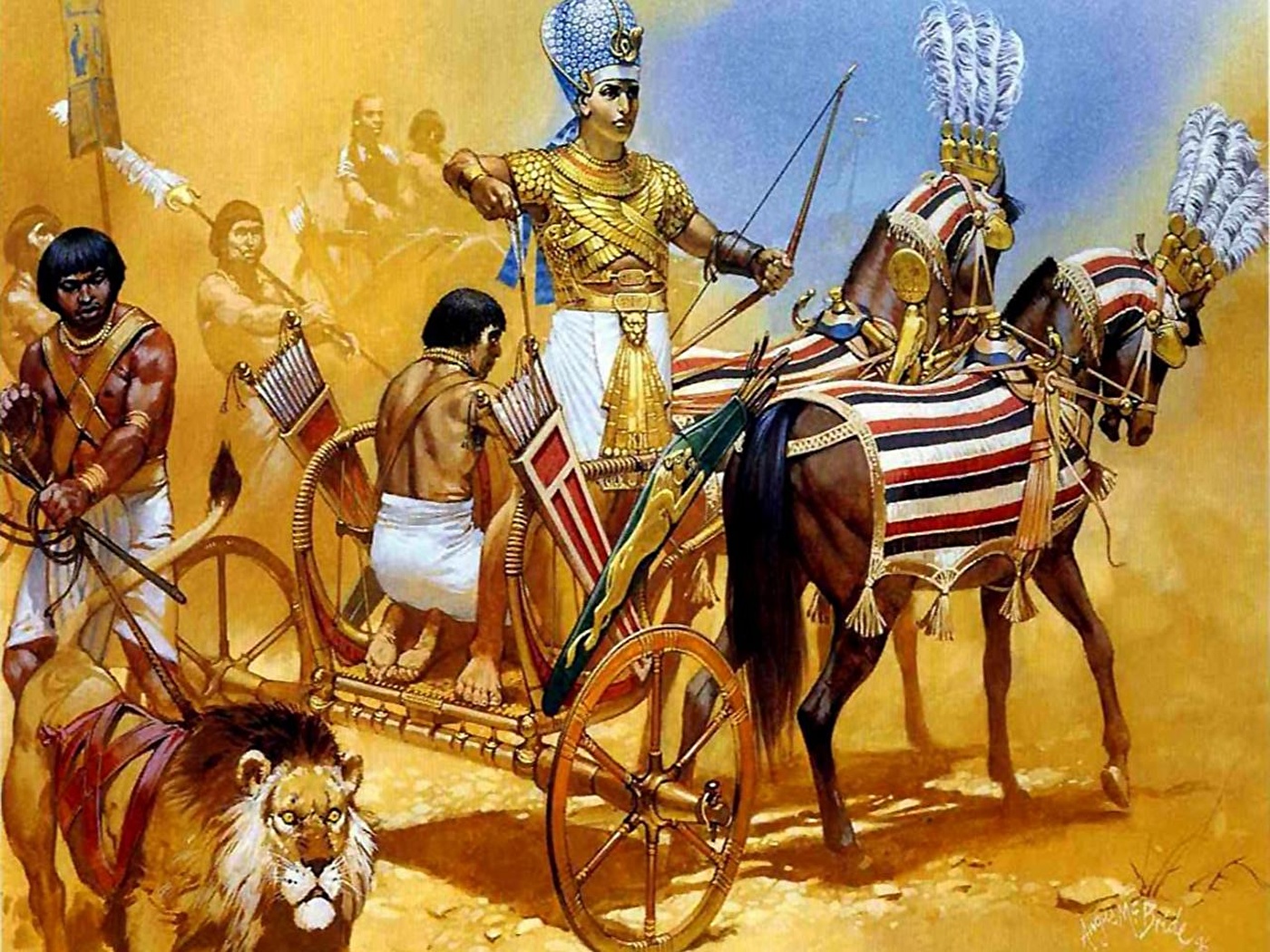
History teaches us that Egypt was a warring nation; a large army was big business. It wasn’t required for defence as the Egyptians did not want peace; peace was not a virtue. It was the role of the pharaoh to lead his army to conquer foreign lands and return home with the spoils of war.

Many battles were recorded for posterity on temple walls and some, such as Ramesses II and the battle of Kadesh, were repeated many times. The sacred inscriptions provided details of the many pharaohs who fearlessly fought off and defeated the enemy, sometimes single-handedly.

Battle-of-Megiddo-6

“The King himself led the way of the army, mighty at its head, like a flame of fire, the king who wrought with his sword. He went forth, none like him, slaying the barbarians, smiting Retenu, bringing their princes as living captives, their chariots, wrought with gold, bound to their horses.”

(A viceroy of Kush recording Tuthmosis’ exploits)

The battle accounts were accompanied by images of the pharaohs in the act of ‘smiting the enemy.’ The enclosed illustrations are typical of the many recurring scenes which depicted the pharaoh with mace raised ready to vanquish the enemy. Such scenes echoed the mythical conflict between the gods Horus and Seth in the continuing battle of good against evil. This archetypal image can be found in scenes from Egypt through to the fertile-crescent and Anatolia. Some refer to this scene as ‘God with the Upraised Arm.’

FACT:Despite the many hundreds of military expeditions carried out by the pharaohs over a 3,000 period archaeologists have been unable to verify ANY of the events recounted in Egyptian records. This, despite the fact that we know the exact location of many of Egypt’s Pharaonic battles (Megiddo).

History_2

The GKS contends that all pharaonic wars, military campaigns and border skirmishes are ALL time honoured accounts of the countless cosmic battles (RHB) undertaken by Mars, Mercury and the Moon (rarely queen Venus) in the guise of divine warrior kings, as they fought and appeared to defeat the masses upon masses of enemy space debris that engulfed our solar system only a few thousand years ago. It was seen as a perennial battle between the forces of good and light (Horus) and the forces of evil and darkness (Seth) as the enemy many times threatened to block out the sun god Ra. This was the very same dust and debris that turned the Sun red for over three millennia. To further appreciate the God King Scenario

Before we progress, I would like to make something very clear; I’m not for one moment contending the earthly Egyptians never engaged in warfare, they undoubtedly did, as evidenced by the later occupation of foreign rulers such as the Greeks and Romans (although the evidence seems to suggest these guys just walked in and took over) and some sparse archaeological evidence which we will consider later. The key here is, and will always be, the ‘sacred’ inscriptions. To reiterate, sacred images and text all recount cosmic events of above and have little if anything to do with proceedings here on earth. It is the very reason why hieroglyphs were considered sacred. I would further add, it would be impossible to record and humanise cosmic conflicts unless conflicts were actually experienced here on earth.
Chariots2

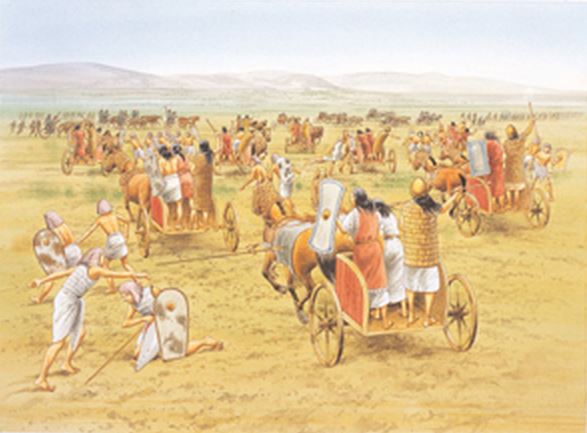
Egypt’s battles and wars, where is the archaeological evidence?

The god Amun handing the khepesh sword to the god king Seti (Mercury) who is in the act in of smiting Egypt’s enemies – wars in the heavens?

I will shortly present what I consider to be irrefutable archaeological evidence in support of my thesis (more specifically, the lack of it) but first allow me to set the scene by taking a look at some of the oddities surrounding the battles of the pharaohs. The following will be brief and I refer you to my book for a more in depth analysis.

Impossible Logistics?
450image

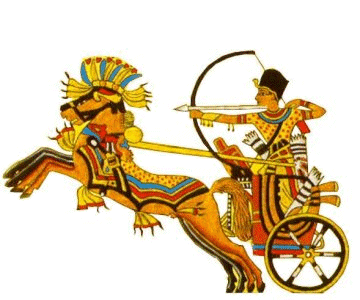
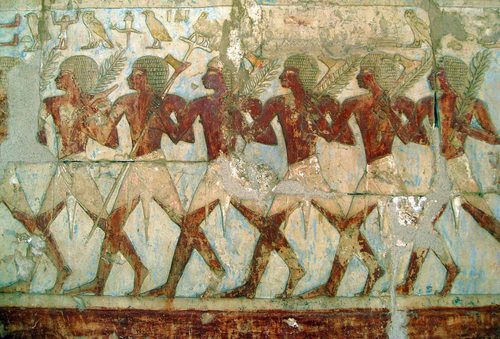
The record shows numerous kings marched north in to Syro-Palestine. How was it possible for 20,000 soldiers to march some 600 miles plus for months on end across the scorching hot Sinai desert, barefoot and wearing nothing more than a loincloth? To keep thousands of men (and animals) fed, watered, clean and free from disease would have required a superhuman feat on a scale bordering on divine intervention. Yet, if the annals are anything to go by, the Egyptians seem to have managed this impossible feat hundreds of times over with military campaigns north-east into Syro-Palestine. Sometimes, as in the case of Tuthmosis III eighteen consecutive campaigns undertaken in Syria in as many years. Some accounts even recall Egyptian troops carrying boats across distant desert lands in order to engage the enemy. How on earth was this done?

egyptian_bound_prisoners

Impossible logistics simply disappear when invoking the GKS.

Errant planetary bodies in the guise of divine warrior kings were observed with vast swarms of moons, asteroids and boulders trailing in their wake, these were the legions of foot soldiers dutifully following the king into battle. They were the celestial doubles (souls/kas) of people here on earth – the Egyptians knew them as their kas

“He shall be at the head of all the kas of the living.”

Thutmose III: The Napata Stela.

Kings and infantry were observed crashing headlong into swarms of enemy space debris to the north, south, east and west, thus perceived to extend the borders of Upper and Lower Egypt, heaven and Earth.

(Tuthmosis/Moon)

15391

“I made the boundaries of Egypt as far as that which the sun encircles. I made strong those who were in fear; I repelled the evil from them. I made Egypt the superior of every land […] favorite of Amun, Son of Re, of his body, his beloved Thutmose I, Shining like Re.”

By way of sacred inscriptions and images the earthly Egyptians honoured their celestial counterparts (kas) by meticulously recording each and every conflict on temple walls.

Tutankhamun (Mars)
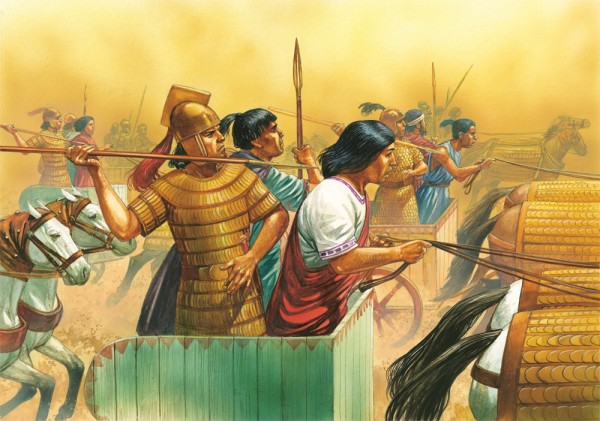
total_war1410727820_004


“Perfect god, likeness of Re (sun), who appears over foreign lands like the rising of Re, who destroys this land of vile Kush, who shoots his arrows against the enemy.”

They humanised them and gave them the only perspective they could, through that of the natural world. Essentially, we have an ‘as above, so below’ situation. For example; if Egypt’s foes were hundreds miles to the north across the blistering Sinai desert and Pharaonic Mars was observed waging war against space debris above these foreign lands, then, whatever it took to reach this location on earth, it was played out in the annals as such. In other words, what happened above was drawn from the world below; only above, superhuman feats were very much possible.

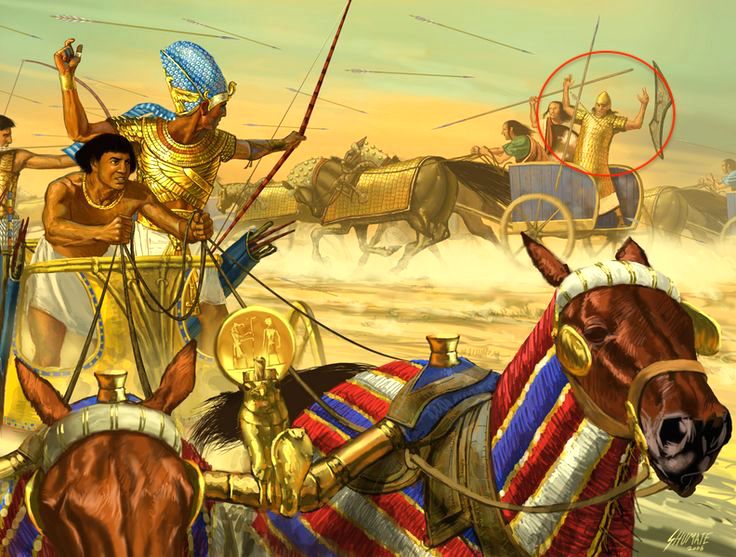
Planetary god kings riding golden chariots with loyal infantry in tow, traversed the heavens with relative ease, impossible logistics simply disappeared. No watering holes required, no supply route stretching back to Egypt required, no beasts of burden or horses to look after; food just wasn’t a problem. Consequently, hunger, malnutrition and staying free from disease simply disappeared in the divine magical world above. Even the numbers of infantry could be exaggerated i.e. 20,000 or 40,000 infantry traversing above the blistering deserts for months on, defeating the ‘vile Asiatics,’ and returning home in record time becomes completely plausible. This is, of course, from our modern day perspective, to the ancients it was a different story. What they saw were planetary kings, who by their very location were deemed intermediaries between heaven and earth (Upper & Lower Egypt), battling to maintain ‘divine order’ (ma’at) by fearlessly charging into and vanquishing vast swarms of enemy space debris – thus clearing a path to the gods, the ‘next world’ and a life of immortality. The very reason why everything had to go through the Pharaoh. These cosmic wars symbolically represented in the iconic ‘smiting scenes’ carved on numerous temples walls (See the photos on this page).

Leading the army from the front

11

Pharaohs adopted the most ridiculous battle tactic that any modern day commanding officer would cringe at, that of leading the army from the front.

“The King himself led the way of the army, mighty at its head, like a flame of fire, the king who wrought with his sword.”

Is this possible? Yes, but highly unlikely!

The Pharaoh was Egypt; kings were worshipped as gods, they were intermediaries between heaven and earth, the mortal and the divine. Without the king it was believed the whole cosmos would fall into chaos; without the king there was no Egypt. Despite this fundamental belief Egypt’s kings thought it would be a good idea to risk this godly status and by extension Egypt itself by, not only vacating Egypt for many months, but also potentially setting themselves up to be first in line to die – by leading the army from the front!

Common sense dictates with such beliefs and absurd tactics Egypt’s foes would be guaranteed certain victory by simply killing the king (‘cutting off the head’ springs to mind). A task make easy, in that you’d be blind to miss him; he’s the one leading the charge in a golden chariot, wearing very distinctive attire including a large blue crown adorned with a rearing cobra. I know who I’d be aiming for to bring this battle to a swift end and you certainly wouldn’t need to pin a bulls eye on him.

As mentioned above, planetary bodies in chaos naturally led from the front with vast legions of gravitationally tied asteroids and comets trailing in their wake; planetary bodies were “mighty at the head.”Pharaonic planets led the charge literally“like a flame of fire,”not humans. Such descriptions are clear alluding to celestial bodies. for more epithets clearly referring to astral kings. (Image above shows Ramesses dispatching a few foes).

Egypt, 3,000 year of warring; Pharaohs killed in action … none!

24-4

Hundreds of wars, battles and border skirmishes over a period of three thousand years and yet no pharaoh ever lost a battle. This, as we have just discussed, despite the fact that they all led from the front.

No Pharaoh ever lost a battle because they were all guises of Mars, Mercury and the Moon and these warrior bodies were no match for the lesser armies of ‘enemy’ asteroids and comets. The celestial warrior kings literally crashed headlong into these and swallowed them up with ruthless efficiency. Although now mere specs of light in the night sky (apart for the Moon), these warriors are still with us and remain undefeated to this day. The surfaces of these planets bear witness to a time when they fought and hoovered up countless tons of ‘evil’ debris that threatened to blot out the sun (Re) and bring the whole world into chaos. The enemy (and ordinary Egyptians) are always depicted smaller than the king because as boulders and space debris they were.

Not a scratch!

Not only were they never defeated all fighting Pharaohs returned home without a scratch. Ramesses the Great, Tuthmosis III (Egypt’s Napoleon) Seti and many other warriors to this very day lie in the Cairo museum showing no signs of engaging in battle. No severed limbs, missing fingers, skin abrasions or battle scared faces (many have been x-rayed). In fact, it is believed (as in the case of Ramesses II and Amenhotep III) they probably died of tooth decay (So much for living gods!). This just doesn’t make sense, how is it possible to lead vast armies from the front, engage the enemy in a bloody battle and return home without a scratch?
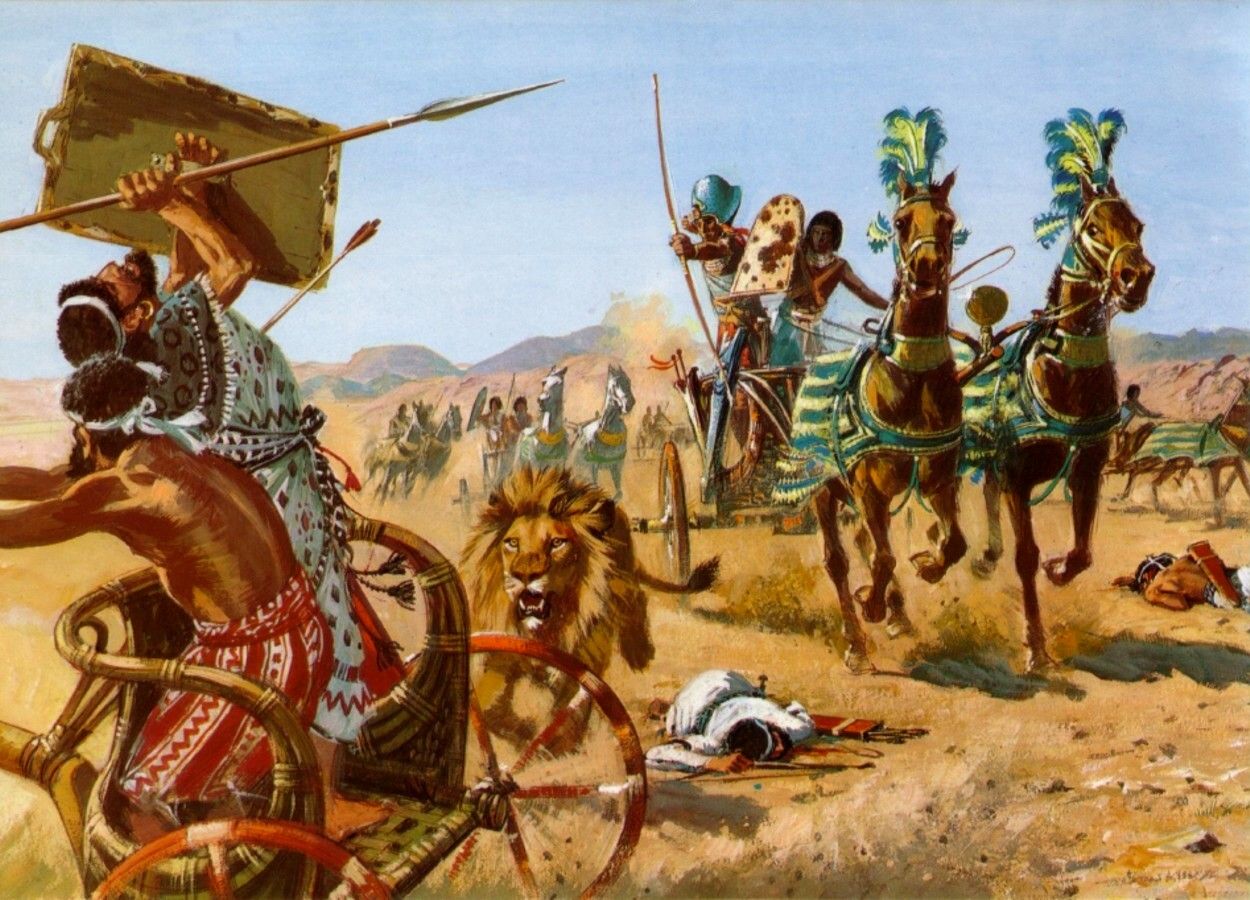
445b04f9942566cb31621d3337f23a8a

Warrior kings reveal no physical sign of battle because these are the earthly representatives of celestial bodies. The true warrior kings were guises of the planets Mars, Mercury and the Moon (GKS). It is with these bodies where we will find the illusive ‘battle’ scars. Take a look at the surfaces of Mars, Mercury and the Moon, they are all pot marked with millions of impact craters. Especially the Moon, the Moon has to be singled out for it has been pummelled by space debris over and over again. It bears the hallmarks of numerous cosmic battles, or as I contend, the pharaonic wars as carved for posterity on numerous temples walls along the Nile.

Description: A section of the North facade of the Hypostyle Hall at Karnak depicting set I(Mercury) returning with captives and leading chariot attacks on the Libyans – cosmic wars? Photo: Credit Jon Bosworth

Why bother to march out and battle at all?

Egypt was one of the richest nations in the ancient world; the Nile’s abundance deemed it the envy of its neighbours. The Egyptians had everything they required to survive and live a comfortable life, so why risk life and limb by marching out across blistering deserts to engage the enemy hundreds of miles away when everything you needed was back home? What was the point? Are we expected to believe the driving force a behind such adventures was a bit of booty? Surely, as an agrarian society, working the fields in order to survive was more important? What of the power vacuum left behind when pharaoh’s army was away for months on end? Tuthmosis III and the Battle of Megiddo takes this king away from Egypt for at least 10 months (Allowing approximately three months to march there and back and the recorded seven month siege). Talk about leaving the back door open! Why not just stay putt and defend the abundant wealth afforded by the Nile?

The afterlife

kisspng-art-of-ancient-egypt-pharaoh-chariot-egyptian-5ac92bd773ccf4.5681856015231333994743

The Egyptians were obsessed with the afterlife and to be guaranteed a place in the next world it was essential for the deceased to be mummified, an elaborate process involving sacred rituals and typically lasting 70 days. As well as mummification, and again to further ensure a life of immortality it was absolutely imperative for the deceased to be buried on Egyptian soil. Emphasis has to be placed on this fundamental belief; it lay at the bedrock of Egyptian religion, the hundreds of thousands of interred mummies bear testament to this.

Here we have a serious conundrum, inasmuch, are we expected to believe the Egyptians risked their place in the next world, a life of immortality by undertaking arduous military campaigns hundreds of miles away across deadly terrain? What if they died en route? What of the thousands of soldiers killed in action? Where are they? Were they interred on foreign lands? This is not possible, in that it goes against the fundamental conviction that if you were not embalmed and buried in Egypt, then you were not eligible for a life of immortality in the hereafter. I cannot stress this point enough; to be buried outside Egypt deemed immortality absolutely null and void!

But are we then expected to believe hundreds of rotting corpses were transported back to Egypt some 600 miles across dry arid scorching hot deserts? Even to the uninitiated, this not only doesn’t make sense, in ancient times it has to be impossible.

“Little is known about how the Egyptians prepared themselves for dealing with expected casualties…” 

It is my contention the Egyptians rarely strayed from the relative safety of the Nile Valley, certainly not vast armies of men with the king at the head marching across distant lands, there was no impending need. Sure, they carried out trading and mining expeditions beyond Egypt’s borders and there is no doubt they mined for certain coloured rock (black granite) and turquoise in the Sinai. They also undoubtedly explored as far as they dared, or as conditions and the climate allowed them to, including following the Nile (safe) south, deep into Nubian territory (pretty normal behaviour really).

carvings-depict-prisoners-captured-in-battle-by-ramses-ii-at-abu-simbel-AFJY8T

Furthermore, in veneration of the ‘sacred’ battles fought by the celestial god kings they sent out small groups to mark the astral location (as near as possible) by carving honorary victory stela (carved stone), recounting the bravery and incredible deeds undertaken by their celestial counterparts. There is evidence to suggest this occurred on a number of occasions, given the GKS isn’t this just as you would expect?

But all of the above expeditions involved small numbers; small self-surviving groups who could negotiate inhospitable terrain, accomplish their mission and return to the relative safety of the Nile. It certainly did not involve thousands of troops marching out across deadly terrain with the king at the helm. If such distant campaigns were undertaken, you would think, at the very least, and to save marching out again and again to the same place the Egyptians would leave behind a controlling army or garrison – alas, even this was not done. This is because planetary bodies rarely remained stationary in the heavens, if they did, this was seen as a siege (Image above: symbolic repsentation of wars in the heavens)

Irrefutable evidence

images

We will now turn our attention to what I consider overwhelming evidence in support of the GKS – the archaeological evidence, more specifically the lack of it. Inasmuch, in the face of the many hundreds of military expeditions carried out by the pharaohs archaeologists have been unable to verify ANY of the events recounted in Egyptian records. This situation exists even though the location of many of Egypt’s conflicts are known. We would expect to find the remains of swords, arrow heads, battle axes, chariot parts, amour, and more importantly battle-scarred human remains or mass graves. However, there is a distinct lack of archaeological evidence and no data to support the existence of ancient battlefields. Upon close scrutiny, it becomes very obvious that the wars and battles of the kings exist in ‘sacred’ words alone – no archaeological evidence exists for them as ever having taken place. That is of course, unless we look up and take into account the GKS.

We will consider briefly one of the best documented battles of the ancient world, Ramesses II and the Battle of Kadesh. We have more accounts of this battle than any other from ancient times. It was carved on numerous temple walls. History states that Ramesses led 20,000 infantry into Syro-Palestine and fearlessly fought and defeated 40,000 Hittites (according to Egyptian inscriptions). Detailed maps exist which show the exact location of Kadesh near the Orontes River in Syria. They include diagrams, complete with arrows, which show how the battle was played out. Modern photographs and details of Kadesh .

However, despite an abundance of information it seems the Battle of Kadesh existed in sacred words only as the exact location of Kadesh has yet to be found – there is no archaeological evidence revealing its location and if any battles took place there. I find it perplexing that so many books and TV documentaries cover ‘The Battle of Kadesh’ and yet none are backed up by archaeological evidence.

alivio-de-los-prisioneros-de-guerra-capturados-nubia-el-templo-de-ramses-ii-en-abu-simbel-egipto-artista-werner-forman-ddth59

Moreover, the record shows Kadesh was the site of many military campaigns. Many pharaohs before and after Ramesses fought bloody battles there; these wars totaled many hundreds of thousands of men i.e. Ramesses II’s army of 20,000 soldiers plus 40,000 Hittites totaled 60,000 men alone. Yet it seems they left nothing behind. There isn’t a museum in the world that houses battle implements or killed in action soldiers which can irrefutably linked to any battles fought at Kadesh.

A prediction; the location of Kadesh will never be found unless people begin to look up and take into account the GKS.

Some may say absence of evidence is not proof enough and believe that we’re just not looking in the right place and one day battle strewn Kadesh will be found. Although unlikely given the scope and information available, it is possible. So let us turn our attention to the scene of many a major battle and a location where archaeologists have been excavating for years.

Megiddo (Armageddon)
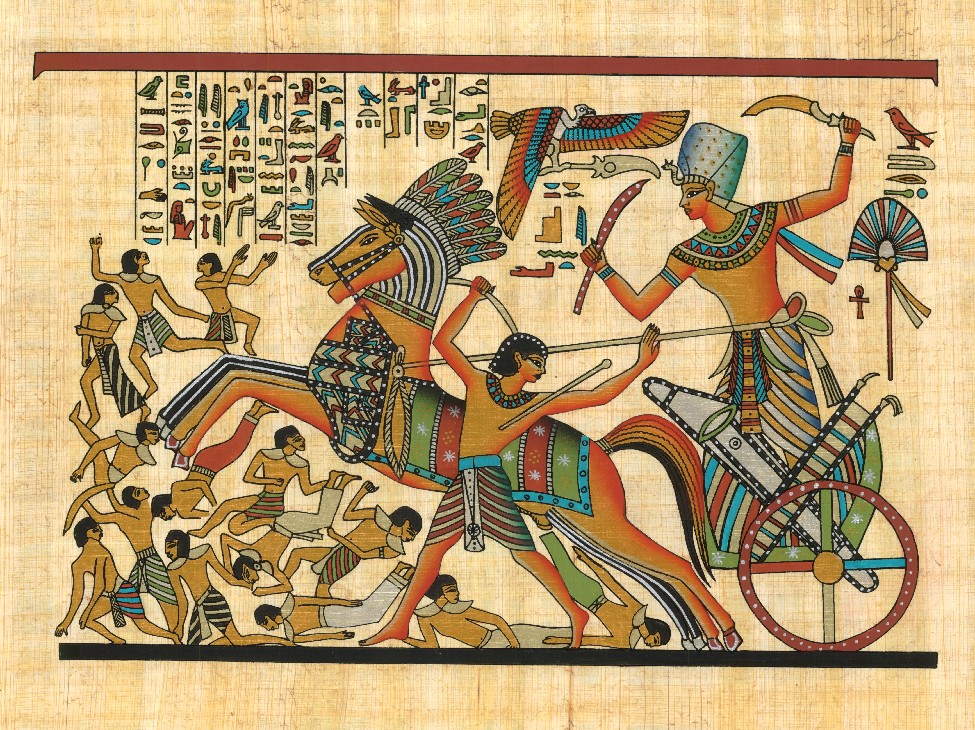
1_RamsesatKadesh

Magidois one of the most fabled and fought over pieces of real estates in the ancient world; at least 34 battles are known to have taken place here (the majority involving the Egyptians). Eighteen consecutive campaigns attributed to Tuthmosis III (Egypt’s Napoleon) alone and yet no corroboratory archaeological evidence exists.

Thutmose III: The Battle of Megiddo

To put this into some kind of context, Megiddo is an location where hundreds of thousands of soldiers engaged in numerous battles over a period of 3,000 years i.e. thousands of chariots, battle axes, spears, bows and arrows, the carnage, dead soldiers, etc. etc. and yet no archaeological evidence remains to corroborate them as ever taking place – nothing. We have an abundance of written documentation but – NO CRIME SCENE! This is despite the fact that archaeologists have been digging there for decades.

I wrote to N Franlin the coordinator of the Megiddo expedition (Tel Aviv University) and politely asked “where’s the archaeological evidence for any of the battles fought by the Pharaohs at Megiddo?” In the absence of ANY evidence whatsoever, this is the reply I received.

Chariot parts

“Chariots were made mainly of wood and leather. Neither medium survives for long. Metal parts were small and were either collected and re-used or deteriorated. Ceremonial chariots e.g. Tutmose’s chariot would have had gold decoration — those chariots were collected as booty and also re-used/re-cycled.”

Weapons

TRANS_egyptian_chariot_of_the_line

“Always collected and re-used. Nothing went to waste. They were better at recycling than we are in the modern world!”

Dead bodies on the battlefield.

a) They are either left and deteriorate quickly in the rather acid based limestone derived soil prevalent in the area. If anything ever survives it is often a lone tooth!

b) Bodies are retrieved by the army that sent those soldiers if the victor and buried.

c) Bodies are retrieved by the opposing army if the victor and displayed and/or mutilated to show how strong the victor is.

With the greatest respect to N Franklin, the answers provided above make absolutely no sense at all. Common sense deems the whole thing is impossible and nonsensical. How can 34 major battles involving hundreds of thousands of soldiers spanning some 3,000 years completely disappear off the face of the Earth? If it is known that the ancients “… were better at recyling than we are in the modern world!” then, what’s the point in digging then? It was even found that Megiddo wasn’t even fortified! How can this be when the pharaoh Tuthmosis III was supposed to have laid siege to the city for 7 months?

To prove that the Egyptians were not “better at recycling than we are in the modern world” we only need visit the site of Ramesses’ II ancient city, Per-Ramesses (modern day Qantir).

Recent excavations here revealed amongst other items hundreds of broken stone carved ‘knobs.’ These were later identified as chariots parts, they form part of the harness and can be seen on the ceremonial chariots of Tutankhamun in the Cairo Museum. The chariot parts were not difficult to find, they were found just below the surface and surprisingly within just three days of digging (Source; M Bietak. Documentary Lost City of the Ancients). Although most were in bits many intact ‘knobs’ were also found. They even unearthed a complete horses bit, to date the only one of its kind.

Point to consider;

ANCIENT EGYPTIAN WAR CHARIOT-ILLUSTRATION

ANCIENT EGYPTIAN WAR CHARIOT-ILLUSTRATION

How difficult was it to pick these artefacts up? To my knowledge they were found around the location of stables (as you would expect). Nowhere near the mayhem of battle – it is with ease these parts could be collected. They were not; they were left where they fell because as broken stone parts they were useless, impossible to recycle. All things normal, it is this sort of artefact and other similar items associated with battle that should be strewn about all over the site of Megiddo ; there should be loads of battle artefacts. As we have seen there are none. What of the fully working ‘knobs’ and the horses bit? I thought the ancient were super efficient at recycling? The finds at Per Ramesses proves that this was not so.

These finds merely show us show the Egyptians were pretty much the same as us when it came to recycling. Broken parts of machinery were simply discarded with complete working parts occasionally getting lost or mislaid. This would include the occasional horses’ bits, although none, it seems, at Megiddo!

Thutmose I (Moon) “He Brought the Ends of the Earth Under his Domain.”

“Re (Sun) himself established me, I was dignified with the diadems which were upon his head, his serpent-diadem, rested upon “my forehead he satisfied me with all his glories; I was sated with the counsels of the gods, like Horus, when he counted his body at the house of my father, Amun. I was presented with the dignities of a god, with […] my diadems.” (Breasted)

The dead soldiers

kisspng-egypt-battle-of-kadesh-battle-of-megiddo-15th-cen-bow-is-no-turning-back-5aa37c7c5a4476.3812066815206636763697

Egypt had two basic obsessions, the ‘next world’ and ‘warfare.’ There is overwhelming evidence to support Egypt’s obsession the former with numerous mummies disinterred on a regular basis, but there is no evidence to support Egypt’s other obsession – that of war. The lack of archaeological evidence is very important and provides overwhelming support for the GKS. We will consider this in the light of the lack of human remains.

It is of course impossible to calculate exactly how many men died in battle, however, I have worked out that over a period of 3,000 years, the very least we could expect is well in excess of over 300,000 men killed in action (see book). This is a very conservative figure; the number is, in all probability much, much higher. Also, this doesn’t include the enemy dead, so if the annals are anything to go the figure would be ten times this amount i.e. running into the millions. Remembering, the Egyptians smote the enemy with ruthless efficiency and never lost a battle.

How could so many men disappear of the face of the Earth?

Partridge in an attempt to explain the whereabouts of the fallen in his book ‘Fighting Pharaohs’ proposes that the Egyptian soldiers were indeed buried close to the battle field:

‘On campaign, most soldiers who were killed in action were probably buried close to the place they died.’ (Partridge, 2002, p 126)

Partridge here fails to take into account that to step outside Egypt was a step outside any chance of immortality; the afterlife would become nil and void, and besides we return to, where’s the evidence?

Although slightly contradictory Partridge continues.

“We do not know where most soldiers were buried, especially those who died away from Egypt . Small burial sites have been found at some of the fortifications. But it must be presumed that those of high status would have had there bodies returned home for burial. (ibid)

Points of note, the tentative “we do not know,” “probably” & “presumed” are used in the above. With so many battles shouldn’t the archaeological evidence be overwhelming? Equal perhaps to that of Egypt’s other obsession – the afterlife?

To single out the following sentence.

“Small burial sites have been found at some of the fortifications.”

Partridge gives no reference here, however isn’t it common sense to presume that if they were in anyway connected to any of Egypt’s major campaigns that he would have followed this up and, more importantly archaeologists and Egyptologists would beware of this by now. Essentially, this would be a major discovery and Partridge would be verifying his own work, but he doesn’t.

Perhaps archaeologists aren’t looking in the right place and the fallen were buried somewhere close to the battle?
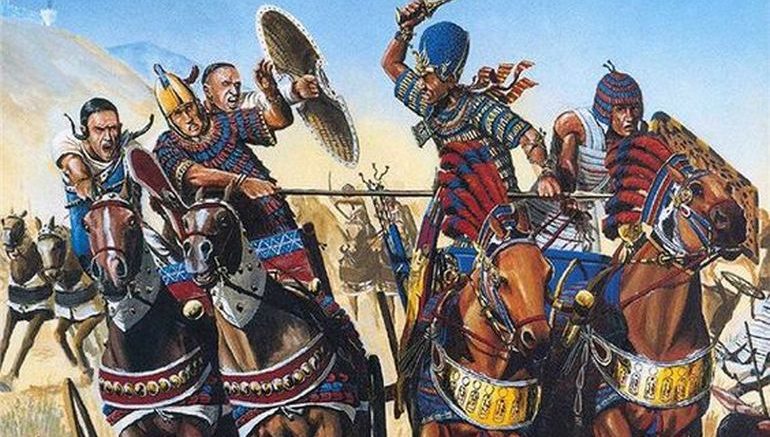
10-facts-hittite-warriors-bronze-age-770x437

As discussed, to step outside Egypt was a step outside immortality, so to be buried outside Egypt goes against everything the Egyptians lived for, literally. So, this is a none starter especially when taking into account the 70 day mummification process. However, for argument sake, let us assume they were buried close to the battle as some believe.

“The dead had to be buried close to where they fell which was generally in foreign soil, a fate many Egyptians dreaded.

The question remains, where are they? In dying for king and country, no doubt they were, at the very least given a decent burial along with full military honours, but nowhere outside Egypt will you find remains of Egyptian soldiers. No mass war graves, no carved stela, no cenotaphs or otherwise inscribed with “killed in action… fighting the vile Asiatics” – nothing! A fact epitomised at Megiddo.

What of the enemy dead?

“Fallen enemies were often mutilated and their corpses left to the crows, vultures and other scavengers” (ibid).

If found, they shouldn’t be difficult to identify in that the Egyptians apparently cut of their right hands (& in many cases penises) in order to count them (why not simply mark them with a stick? One, two, three…). Although highly unlikely, are we to presume the victors cleared these up and buried them in mass graves, or perhaps there was always just enough survivors to carry out this gruesome task, either way, if this was done at Megiddo, it has to be the most incredible clear-up operation ever known to man. To reiterate, no enemy remains, no Egyptian remains, no battle artefacts, no mass graves, no memorials, etc, etc.

I consider the lack of archaeological support irrefutable evidence in support of the GKS, but how am I to prove this? Perhaps I should join the archaeologists at Megiddo, dig yet another hole and reiterate what they’ve been saying for a hundred years or more – “look …, nothing!” Or perhaps I should appeal to people’s common sense?

Archaeological evidence from Egypt
e19566888e72886292e5bf01ac1a0ec7

I don’t see any point in readdressing the possibility of transporting thousands of decomposing dead soldiers back to Egypt, given the scorching climate and the distances involved I deem this absolutely impossible. Further, who in their right mind would undertake such a gruesome task?

Moreover, the archaeological evidence doesn’t support this, insofar as, nowhere in Egypt (or beyond) do we find mass war graves, cemeteries, or even cenotaphs that correlate with the many hundreds of ‘scared’ battles recorded on temple walls throughout the Nile Valley.

It seems the veneration of those killed in action just doesn’t exist in Egypt or beyond its borders – no monuments, cenotaphs, memorials or otherwise inscribed “here lies, killed in action, fighting for king and country at Megiddo” – nothing!

To say this is odd would be an understatement; what of the families of those who died in combat, wouldn’t they insist on the construction of some kind of memorial and cenotaph in honour of their fallen, perhaps even setting aside days of remembrance? Apparently not.

egyptian_characters_by_dashinvaine-d2yn80d

Surely, if such conflicts did indeed take place here on earth and not above as I contend, there should be thousands of wars graves, and if the fallen were not brought back, the very least we could expect is a few hundred cenotaphs or inscribed monuments. Perhaps evidence enough to equal Egypt’s other obsession, the next world.

That said, as stated earlier, the Egyptians undoubtedly fought battles and there is some scant evidence to support this. All can be explained in the context of the GKS

Sixty Egyptian soldiers found in Deir el-Bahari

“A mass-tomb found in Deir el-Bahari contained 60 bodies of slain Egyptian soldiers who perhaps lost their lives in Nubia . That these soldiers were given a burial so near the king’s own funerary monument, demonstrates how much importance was attached to them.”

http://www.ancient-egypt.org/index.html

This is a very, very rare discovery, to date the only location in Egypt where we have dead soldiers numbering more than one! It is presumed these soldiers died fighting for Mentuhotep, this maybe so but there are no inscriptions to verify this. No inscriptions honouring these apparent loyal subjects. Certainly nothing to link the soldiers with any of Egypt’s scared battles. If these soldiers did take part in one of Egypt’s recorded battles, as presumed then we have to ask, where are the other many thousands of dead soldiers from Egypt’s other wars? We have millions upon millions of mummies verifying Egypt’s obsession with the afterlife but only one mass warrior tomb, which incidentally, is dated to the Middle Kingdom, so we haven’t even reached the height of Egypt’s military might of the New Kingdom. It doesn’t add up; there should be thousands of similar mass warrior tombs.

The rarity of this find correlates with my premise that the earthly Egyptians engaged in conflicts and skirmishes (and possibly civil war) but on a scale nowhere near, and totally separate to anything recorded in the sacred annals. These were reserved for the celestial kings.

Rare Egyptian soldier

_67456_phraon3L

The fact that the above is a rare discovery is proven by a recent article from the National Geographic News.

Rare Egyptian “Warrior” Tomb Found.


Ramesses II (Mars)

Fighting the enemy (space debris)

The article speaks for itself, however, I’ve extracted a few points of note.

“An unusual…”

“…may contain the mummy of an ancient warrior…”

“The discovery of burials belonging to soldiers and mercenaries, who had elevated status in the wartime society, are even rarer…”

“We don’t know about the origin of Iker,” Galán said. “We don’t even know if he was Egyptian, Nubian, or Libyan.”

And of course, the heading “rare.” Rare, because there is a gigantic void when it comes to unearthing Egypt’s deceased warrior soldiers. We have many dead kings (without a scratch), but we do not have the ‘killed in action’ soldiers.

I would also add there are no inscriptions linking Iker with any major battle and there’s no evidence to suggest he was KIA. If it turns up that he fell fighting for the king, this would be a major discovery, the only one of its kind. But it shouldn’t be!

Given Egypt’s obsession with warfare and given all things normal the above article should read something along the lines of “Yet Another Egyptian Soldier Found” or perhaps “Another Cache of Soldiers Found.” As we can see the opposite couldn’t be more true!

MA_00452016_hhpwae

A drawing of the reliefs at the Temple of Luxor depicting the Battle of Kadesh. The bottom register shows Ramesses/Mars II (shown larger = planetary body) single-handedly charging the enemy. A practice any modern day commander would cringe at. Despite our history books containing very detailed accounts of this, ‘battle of battles’ the location of Kadesh has yet to found! A Prediction on which my theory stands. The Battle of Kadesh as with all Pharaonic battles will never be archeologically verified because they were all wars fought in the heavens. (Ramesses = “Re (the red sun) has fashioned him” i.e. the red Mars).

Seqenenre Tao

The nearest we get to a high ranking official meeting with a brutal death is a Theban Price called Seqenenre Tao (see photo).

Seqenenre Tao met a violent death this is without doubt. He had apparently been stabbed behind the ear, his cheek and nose had been smashed with a mace, and smacked above the right eye with a battle axe. It has been suggested Seqenenre was probably killed during battle with the Hyksos (Shepherd kings).

There are a few problems with this, firstly although his head is bashed in his arms are in one piece, this suggests he may not have died in battle (certainly not battle ready) because the tendency is to protect yourself by raising your arms when blows are reigning down, resulting in broken or lacerated arms. Seqenenre shows signs of neither, so this means either the first blow rendered him incapacitated resulting in death or we have to look for alternative possible circumstances surrounding his death. It has been noted by some experts that his wounds show signs of healing, suggesting he may have recuperated somewhat only to eventually succumb to his wounds. Due to the angle of the blows some have even suggested Tao probably died lying on his side while sleeping.

It is merely an assumption by Egyptologists that Seqenenre died fighting the Hyksos (Shepherd kings) as there are no inscriptions to verify this. You would think if Seqenenre ventured north to engage the Hyksos at the very least he’d be ‘battle ready.’ While we’re on the subject, we know practically nothing about the Hyksos; this is because they were rouge, unrecognisable ‘shepherd moons’ dominating a chaotic sky.

We are faced with the same basic questions raised above; if Seqenenre was slain fighting the Hyksos, then where’s his loyal KIA infantry? The expulsion of the Hyksos apparently took place within Egypt’s borders, so here we have no need to transport rotting corpses across deadly terrain; the Egyptians merely have to recover the fallen, mummify them and bury them with full military honours. Here we have a chance for the archaeological evidence to correlate with the written word. But alas it just doesn’t happen. No fallen soldiers (Egyptians or otherwise) from the time of the Hyksos.

Ahmose son of Ebana

5b105cfdeba08961315488

Although there exists no slain soldiers that can be conclusively linked to Egypt’s annuls of war, we do have some apparent first hand accounts of Egyptians either claiming to have fought in battle or scribes recounting certain events (Note; none killed in action).

One such account comes to us via the tomb of Amose, son of Ebana.

Ahmose, son of Ebana, was an officer in the Egyptian army during the end of the Seventeenth Dynasty (the Second Intermediate period) and the beginning of the Eighteenth Dynasty (the New Kingdom ). He fought at Avaris, Sharuhen (in Palestine) and in Nubia in the service of Seqenenre Tao II, Kamose, Ahmose I and Tuthmosis I. Ahmose received many honours for his bravery in battle and recounted his deeds on the wall of his tomb. (Source;

Same question as above, where’s Ahmose’s fallen comrades?

Ahmose wasn’t killed in action; this is surprising considering how many pharaohs he fought under. He must have been about 60 in his last battle, an incredible feat as the average life span was about 40 years (some say 30)

Ahmose’s tomb inscriptions and other similar battle biographies are as a result of humans venerating their celestial doubles (kas) and have little, if anything to do with events here on earth (GKS). The skies of earth were awash with bodies perceived as courtiers, viziers, priests wearing leopard skins  nobles, concubines, overseers and other dignitaries. And of course, masses upon masses of trailing boulders, or as perceived by the Egyptians, the infantry. Ahmose, I believe was once a large Moon of Mars, hence, a Crew Commander.

” I have been rewarded with gold seven times in the sight of the whole land…”

“Then the gold of valour was given me, and my captives were given to me as slaves.”

There are a number of references the king rewarding certain loyal subjects with gold, be it gold rings or gold collars. This is Mars belching out enormous great rings of scolding hot ‘golden’ lava from its many volcanoes. These landing on close proximity moon sized bodies or in this case Ahmose, son of Ebana. The ‘captives’ reference is Ahmose, as a moon, gravitationally capturing smaller boulders as he and the pharaoh (Mars) heroically crash headlong into vast clouds of enemy debris.

A CHALLENGE!

figure09

I would like to challenge Egyptologists and archaeologists to provide substantial archaeological evidence for any of the major Pharaonic battles that are supposed to have occurred in ancient times. I am not referring to a few broken bones, the occasional sword, a battle axe or even a few broken chariots. The Egyptians fought many battles over a 3,000 year period and therefore there should be an abundance of archaeological evidence including the bodies of tens of thousands of dead soldiers.

This really is the crux of the matter – Egyptian or otherwise, where are the hundreds of thousands of soldiers killed in action from ancient times?

I can provide evidence from the surfaces of Mars, Mercury and the Moon as these heavily cratered planets provide the real legacy of pharaonic battles.

This is a crucial point because if I am wrong, if concrete evidence is provided, my theory would fall apart and that would be the end of the GKS. I am prepared to take this risk because I am confident that my theory as presented is accurate and entirely correct.

I wonder how many other ‘alternative’ authors would be brave enough to set such a challenge!

Update: 12th Aug 2008

The above ‘challenge’ includes the Greek Pharaoh Alexander the Great and his conquest of the ancient world.

The Battle of Gaugamela. Forget the Greek propaganda and story telling, where’s the archaeological evidence to support any of battles attributed to Alexander the Great? To be precise, where’s the KIA soldiers? Where does it say – “here lies (name…) killed in action fighting for his beloved god (son of the sun) Alexander.” What of the enemy, where’s the hundred of thousands of soldiers slain by Alexander and his army – where’s the thousands of mass graves, cenotaphs or otherwise? I could go on and ask exactly where is Alexander the Great buried?

Update: 20th Aug 2008

For those that believe the archaeological evidence for ancient battles is not forthcoming because the ancients were somehow the Houdini’s of recycling. In other words the dearth of battle artefacts is a result of the victors gathering up every single item and reusing them.

Further research reveals this to be nonsense.

The words of Arrian, a 2nd century historian writing on the first major battle of Alexander the Great – the Battle of Issus.

Battle_of_Issus_mosaic_-_Museo_Archeologico_Nazionale_-_Naples_2013-05-16_16-25-06_BW.jpg

“By order of Alexander all the dead (Alexander’s men) were buried with their arms and equipment the day after the battle.”

So much for recycling!

One would presume Alexander adopted the same burial practice throughout his numerous campaigns. So here we have thousands upon thousands of dead soldiers interred with full military equipment at KNOWN ancient battlefields (this doesn’t even include the enemy dead).

The question remains – where are they?

Time to dust of them metal detectors!

Alexander, “beloved of Amun (sky god),” “chosen by Re” (literally), was just one of the many names given to either Mars or Mercury as they were named and renamed many times over as divine kings of earth.

On going discussion on ‘The Nonexistent Battles of the Pharoahs’over at the Graham Hancock message board.

Update: 5th November 2008.

Still no verifiable archeological evidence.

Update: 16th November 2008
5827

I put forward my idea of the nonexistent pharaonic battles to John Anthony West (Sphinx dating fame). This is what he had to say.

On the point of the mostly non-existent battles, I quite agree. Perhaps our one point of agreement. There were surely battles of some sort, somewhere, but those endlessly repetitive scenes (extending down into Ptolemaic times when they most certainly were not taking place) though perhaps based initially on an actual battle or two, are symbolic; the King (forces of light) vanquishing the forces of darkness, the precondition of entry into the sacred space of the sanctuary.

I wonder why he took this stance – could it be he is actually listening to the archaeological evidence, more specifically the lack of it?

Update: 25th January 2009

I assert that the archetypal image of ancient god kings smiting their enemies, which can be found in scenes from Egypt through to the fertile-crescent and Anatolia, are time honoured recordings of battles in the heavens and have little if anything to do with events here on earth. And, although I’ve suspected for some time that some Egyptologists do actually question the authenticity of Egypt’s countless battles it difficult to get anything in writing. However, a colleague of mine (Jno) has brought the following to my attention. As can clearly be seen, some experts do actually take the stance that a number of Pharaonic battles at least, “DID NOT TAKE PLACE !”

The visual depiction of Egypt ‘s enemies and their role became so prevalent that it is difficult to distinguish in the archaeological and textual sources between purely ritualistic and rhetorical references to foreigners and genuine historical records. Repeatedly, we find examples of battles, and king’s smiting enemies that in fact, did not take place, but were mere copies of earlier scenes.

depositphotos_30983103-stock-photo-egyptian-chariot

The reliefs in the Old Kingdom mortuary temples of Sahure at Abusir and Pepi II at Saqqara , as well as the Late Period temple of Taharqa at Kawa, include stock scenes of a Libyan chief being smitten by the pharaoh, while the victim’s wife and children beg for mercy. However, the personal names for the Libyans in all three scenes are repetitions and therefore suggest that these reliefs did not actually record historical events, but were rather an elaborate icon of Kingship.


An Egyptian Warless Model?

I was also recently pleased to learn that eminent military historian, lecturer and journalist John Keegan also favours a ritualistic warless Egypt model right up until the New Kingdom era.

Prof. Garrett G. Fagan quoting military historian John Keegan OBE. Source ‘Great Battles of the Ancient World.’ Leture (The Teaching Company).

“Eminent military historian John Keegan has recently argued an extended version of the warless Egypt model. Keegan points out that the Egyptian soldiers down to the New Kingdom era are shown only with bow, spear, sword, mace and shield. They have no helmets and no body armour. Soldiers thus equipped will simply not rush into battle to face wounds inflicted by the spear, the sword or the axe. Also, for nearly fifteen hundred years image of the pharaoh smiting enemies with the mace remained virtually unchanged, of which Keegan infers a highly ritualised form of warfare among the ancient Egyptians.

As an analogy he points to the flower wars of the Aztecs. In these strange encounters, Aztecs and neighbouring armies would converge on an agreed site but exchange captives rather than fight a true battle. The armies met, there was much provado and shouting and perhaps an individual challenge or two. Then the field between the two armies was scattered with red petals to represent blood (hence the flowers wars) and the captives were exchanged to be sacrificed later.

seapeoples62

Perhaps this is the meaning of the smiting Pharaoh fixed image. It represents a ritual of execution following none lethal battles. And so Keegan concludes, the people of Egypt over a period of fourteen hundreds may very well have been spared the reality of wars other people later experienced it elsewhere altogether.”

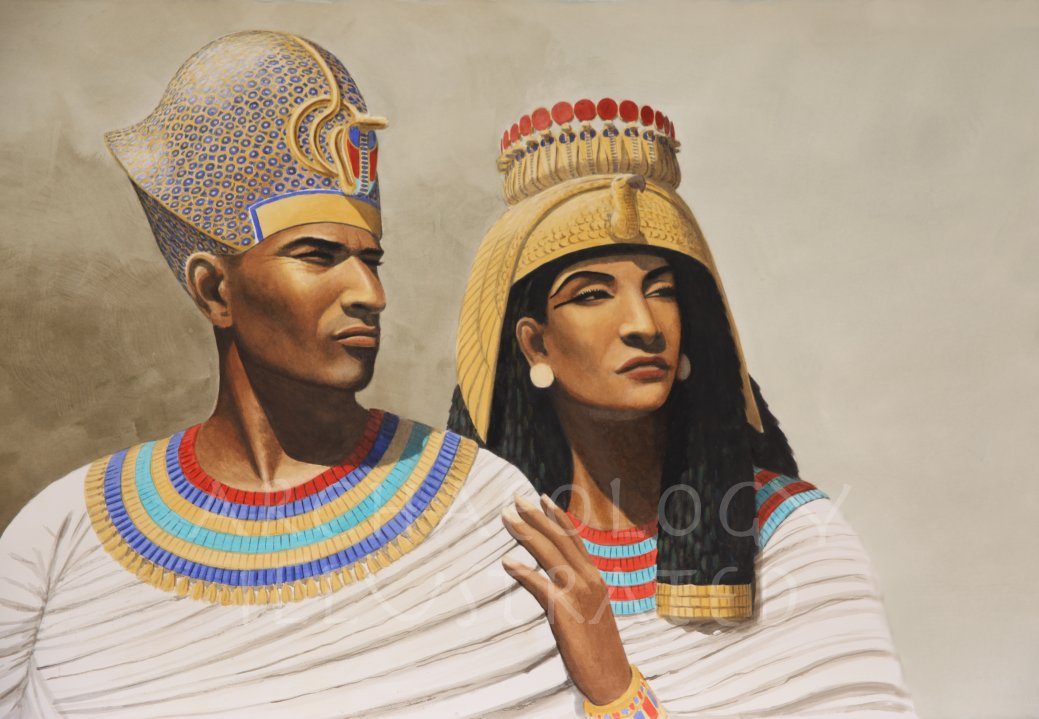
Ramesses-II-and-Nefertari-Possibly-the-King-and-Queen-of-the-Exodus-Forensic-Reconstruction-13th-century-BC-1796-1039x719

My question remains, did the ‘sacred’ ancient battles take place or not? If so, why weren’t the many hundreds of thousands of fallen memorialised? The criteria seems to based on the quantity of literal sources, inasmuch, the more accounts we have of a particular battle, then this somehow deems it to have taken place. This is very poor logic, almost ‘cherry picking’ as to what did or didn’t occur. Ancient battles should be verified by good old fashioned irrefutable archaeological evidence, but they are not.

Most ‘alternative’ writers such as myself can be easily dismissed by simply turning the subject round to hard evidence, and yet, here I am, turning the tables and asking scholars for hard evidence!

www.paypal.me/wbaseem

  • Share on Telegram (Opens in new window) Telegram
  • Email a link to a friend (Opens in new window) Email
  • Share on Tumblr
  • Share on Mastodon (Opens in new window) Mastodon
  • More
  • Tweet
  • Post
  • Share on Reddit (Opens in new window) Reddit
  • Print (Opens in new window) Print
Like Loading...

DOOMS DAY 2020 يوم الدين

Posted by Wael Baseem on November 25, 2018
Posted in: NEMSIS نمسيس. Tagged: 2020, nemsis, nibiru, pole shift, فتي الشروق العظيم, نمسيس, يوم الدين, يوم الدينونه, يوم الرب, المهدي المنتظر, النجم الطارق, الولي الختم, الانقلاب القطبي, الصيحه, جين ديكسون. Leave a comment

يوم الدين سنه ٢٠٢٠كما تقول جين ديكسون مع ظهور فتي الشرق العظبم

Jeane Dixon predicts death star nemesis to appear with the child from the east in 2020

جين ديكون تقول ان النجم نمسيس والطفل من الشرق سيظهروا عام ٢٠٢٠

وقالت جين ديكسون في النجم الطارق وفتي مصر

0014222d9850111b07d650


انها رات نجم كبير بذيل طويل يشق الارض ويدمر النفوس

 وتكون الزانيه امريكا اول من يوضع علي عرش الدمار

 ففد قالوا عنه كوكب مزعوم ولكن هم في غيوم

 هو العلامه هو الطوفان ياتي لينثذ الارض من  دمار بدمار

HorusHawkPendantTutankhamun

 ليبقي فقط المحاربون ، ويذوب الثلج وتنقشع الارض

 وطاعون وموت واهتزاز وعدم ارتكاز

 وعين الشر تراقب تنتظر في عجاله خروجها لامحاله

Untitled-1

 وتلف الارض عكس الاتجاه وتصبح شمسها ساطعه لاغروب

 والشروق يصبح غروب وبحور تفور

 وانهيار ودمار شامل في كل اركان الارض

0614-1 2

 وموت غائر وعواصف ورياح وطوفان كبير ليفصل حكم الاله

 ومنها يحكم الفتي الارض وتسعد بحكمه بعد ان فشي الظلم في كل اتجاه

يقولون عنه انه كوكب مزعوم ولكنه معلوم من الاله

13217465_1609542939361965_1888465776324153529_o

الغتي يعلمه وهو بكل اتجاه يثور ويثور

 وتتغيرالارض ومن عليها  ويتبدل قطبيها

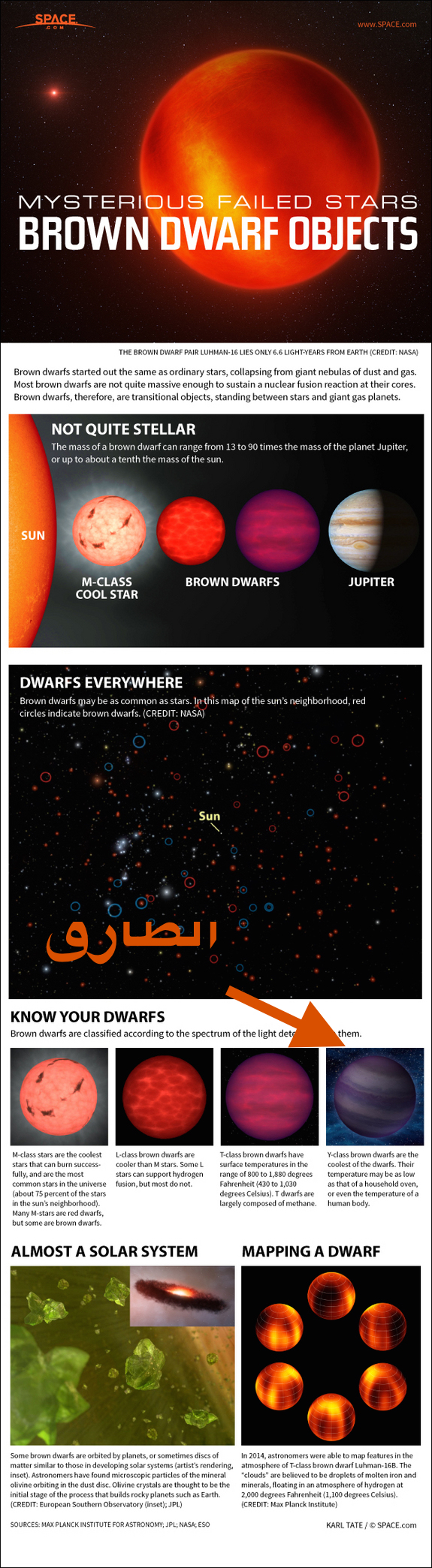
brown-dwarf-objects-140129a-02

هذا الطفل
سيكون له شأن عظيم.
وليس هناك جدل في أن هذا الطفل عندما يكبر سيوحد كل العقائد في عقيدة واحدة،

وهي تدرك أن تلك العقيدة لن تكون هي العقيدة المسيحية التي تعرفها هي
، بل نوع آخر من التوحيد بناء على قوة الله العليا

OLYMPUS DIGITAL CAMERA

وأن أهم معارك هذا الطفل المعجزة ستكون ضد التعصب الديني والسلفية والمتاجرين بالدين وأحلام البسطاء والذين سيتسببون في كبوة كبيرة لمصر، أشبه بخنجر يكاد يفتك بها هو خنجر الفتنة المسموحة،

وهو سيكون ربانيا يحبه أتباع كل الديانات

nibiru

وهي ترى أن هناك تشابها واضحا بين طفولة السيد المسيح عليه السلام وطفولة الطفل المصري فكلاهما ولد في مكان ثم انتقل مع أهله إلى مكان آخر بحثا عن الأمن والاستقرار.

وتقول: إن السيد المسيح عندما كان صبيا في الثانية عشر أدرك الدور الذي أعد له على مسرح الحياة
وأنه أمضى حوالي 18 عاما في إعداد نفسه للرسالة التي استمرت حوالي ثلاث سنوات ونصف السنة،
وسوف يحدث الطفل المصري نفس الشيء تقريبا،
فهو في سن الحادية عشر وقبل بلوغه الثانية عشر سيحدث له شيء بالغ الأهمية
سيشعر داخل نفسه أنه يؤهل لمهمة كبرى في الحياة ولكنه لا يعلم كنهه
سيكون طويلا عندما يكبر، ذا بنية قوية، وسر اسمه يدور حول حرف الميم،

ELEnin isis9h13w_stat

وينشأ فقيرا لأسرة مكافحة،
ويكون شديد الذكاء، حتى أنه هو نفسه يندهش من قدرته على الفهم والتعلم،
وسيحب القراءة، ويعرف في نفسه أنه خل لمهمة عظيمة، ويكون متدينا جدا عندما يبلغ السابعة عشر، لكنه تدين سمح ورقيق.

Nothing has captured the imagination and conjecture of the people more than that of the Apocalypse, as this is found in all the holy books of the world. The

Christians are awaiting the advent of the Antichrist and the Beast which is to precede the return of Jesus Christ and Armageddon. Here, for the first time, Dr. Leland Jensen brings to life the amazing visions of Jeane Dixon, adding an entire New Dimension to this subject and revealing the fulfillment Jeane’s most outstanding vision: “THE CHILD OF THE EAST.” In A Gift of Prophecy it states: “Visions which come to Mrs. Dixon are unchangeable, because they represent the will of God. The coming event cannot, consequently, be prevented” (p. 155). Therefore, the reading public is waiting for the fulfillment of these visions. In this book, for the first time, “THE CHILD OF THE EAST” has been definitely identified. Jeane states that: “The world as we know it will be reshaped and revamped into one without wars or suffering… he will bring together all mankind in one all-embracing faith. This will be the foundation of a new Christianity, with every sect and creed united through this man who will walk among the people to spread the wisdom of the Almighty Power” (A Gift of Prophecy, pp. 171, 172). This book represents not only his amazing credentials,

Best-Rainbow-Storm-Arches-National-Park-Photos-005

but gives his interpretations of some of Jeane’s other visions such as the Snake and her two visions that she had in St. Matthew’s Cathedral. Also by using Jeane Dixon’s Criteria, he definitely identifies the Antichrist and slays him with the sword of his mouth. He also exposes the Beast and Dragon prophesied to come in the Book of Revelation. This is all backed up by the most realistic and accurate proofs. The Bible and the Great Pyramid come alive and become clear as crystal.

EWS-E-009SP-MummificationReliefColorDetails

This will excite the reader to new horizons, especially what “THE CHILD OF THE EAST.” has to say of what is to take place next! He will become the most talked about person in the world and what he has to say will be of the most discussed subjects. It will be a common conversational piece. Everyone will get in on the act; no one will be able to remain neutral. Everyone will take sides, either for or against. As the events that “THE CHILD OF THE EAST” has predicted take place just exactly as he stated, ultimately everyone in the world will become a believer; there will be mass conversion. “Attempting to describe her own sensation, Jeane says: “I felt suspended and enfolded, as if I were surrounded by whipped cream. For the first time I understood the full meaning of the Biblical phrase, ‘My cup runneth over.’ I loved all mankind. I felt that I would never again need food or sleep, because I had experienced perfect peace” (A Gift of Prophecy, p. 172). It will be just like Jeane said. Read this book and find out for yourself.

14238466025_d661b2f6fd_b

Jeane Dixon

https://en.wikipedia.org/wiki/Jeane_Dixon

Jeane_Dixon.jpgJeane Dixon (January 5, 1904 – January 25, 1997) was one of the best-known American self-proclaimed psychics and astrologers of the 20th century, due to her syndicated newspaper astrology column, some well-publicized predictions, and a best-selling biography.

 

Dixon was born Lydia Emma Pinckert, one of 10 children born to German Roman Catholic immigrants, Gerhart and Emma Pinckert, in Medford, Wisconsin, but raised in Missouriand California.[1] Dixon’s birth date was often reported as 1918, and Dixon would offer this date to reporters,[2][3] at one point even producing a passport to this effect,[2] but she once testified in a deposition that she was born in 1910.[2] An investigation by a reporter for the National Observer, who interviewed family members and examined official records, concluded she was born in 1904.[2][4]

double-rainbow-perfect-sky-summer-Favim.com-2882725

In southern California, her father owned an automobile dealership with Hal Roach, an American film and television producer and director.[5] Dixon claimed that while growing up in California, a “gypsy” gave her a crystal ball and read her palm, predicting she would become a famous seer and advise powerful people.[6] She was married to James Dixon, who had been previously divorced, from 1939 until his death. The couple had no children.[7] James Dixon was a car dealer in California, who later ran a successful real estate company in Washington, D.C.[8] Dixon worked with her husband in the business for many years and served as the company’s president.[1][9]

Dixon was the sister of football player Erny Pinckert.

Screen Shot 2016-05-13 at 12.32.42 PM

Dixon reportedly predicted the assassination of President John F. Kennedy. In the May 13, 1956, issue of Parade Magazine she wrote that the 1960 presidential election would be “dominated by labor and won by a Democrat” who would then go on to“(b)e assassinated or die in office though not necessarily in his first term“. She later admitted; “during the 1960 election, I saw Richard Nixon as the winner”,[10] and at the time made unequivocal predictions that JFK would fail to win the election.[11]

Dixon was the author of seven books, including her autobiography, a horoscope book for dogs, and an astrological cookbook. She gained public awareness through the biographical volume, A Gift of Prophecy: The Phenomenal Jeane Dixon,[12] written by syndicated columnist Ruth Montgomery. Published in 1965, the book sold more than 3 million copies. She professed to be a devout Roman Catholic and she attributed her prophetic ability to God.[1]Another million seller, My Life and Prophecies, was credited “as told to Rene Noorbergen”, but Dixon was sued by Adele Fletcher, who claimed that her rejected manuscript was rewritten and published as that book. Fletcher was awarded 5% of the royalties by a jury.[2]

106740267-red-rainbow-news-xlarge_trans_NvBQzQNjv4BqzpLIMkIGUMcygT0RwMtmykiO1qdGkkfNE205U-bqLrE

In 1969 she was asked to find Dennis Lloyd Martin, a six year old boy who had gone missing in the Great Smoky Mountains National Park in Tennessee – she failed to do so.

President Richard Nixon followed her predictions[citation needed] through his secretary Rose Mary Woods, and met with her in the Oval Office in 1971. The following year, her prediction of terrorist attacks in the United States in the wake of the Munich massacre spurred Nixon to set up a cabinet committee on counterterrorism.[13] She was one of several astrologers who gave advice to Nancy Reagan.[14]

Slight-double-light-Curve-in-West-Sussex

John Allen Paulos, a mathematician at Temple University, coined the term ‘the Jeane Dixon effect’, which references a tendency to promote a few correct predictions while ignoring a larger number of incorrect predictions.[1] Many of Dixon’s predictions proved erroneous, such as her claims that a dispute over the offshore Chinese islands of Quemoy and Matsu would trigger the start of World War III in 1958, that American labor leader Walter Reuther would run for president of the United States in the 1964 presidential election, that the second childof Canadian Prime Minister Pierre Trudeau and his young wife Margaret would be a girl (it was a boy), and that the Soviets would be the first to put men on the moon.[15][16]

Screen Shot 2016-06-24 at 12.32.40 PM

Dixon suffered cardiac arrest and died at Sibley Memorial Hospital in Washington, D.C., on January 25, 1997, just after uttering the words “I knew this would happen.”[1] Many of her possessions ended up with Leo M. Bernstein, an investor and banker in Washington, D.C., whose clients included Dixon. In 2002, he opened the Jeane Dixon Museum and Library in Strasburg, Virginia. Bernstein died in 2008. In July 2009, the possessions of the museum, 500 boxes in all, were scheduled to be auctioned.[7]

Screen Shot 2015-05-01 at 7.16.59 PM

www.paypal.me/wbaseem

  • Share on Telegram (Opens in new window) Telegram
  • Email a link to a friend (Opens in new window) Email
  • Share on Tumblr
  • Share on Mastodon (Opens in new window) Mastodon
  • More
  • Tweet
  • Post
  • Share on Reddit (Opens in new window) Reddit
  • Print (Opens in new window) Print
Like Loading...

وصول نمسيس عام 2021 – nibiru arrive

Posted by Wael Baseem on November 25, 2018
Posted in: NEMSIS نمسيس. 3 Comments

Screen Shot 2018-11-25 at 4.24.22 PM.png

DEADLY NIBIRU CHANGE SHOCKS RUSSIAN SCIENTISTS

كما يقول علماء وكاله الفضاء الروسيه

وصول نمسيس عام 2021 – nibiru arrive


nibirudeath


Scientists and astronomers at the Russian Space agency have made a startling discovery that could dramatically affect life on Earth before Nibiru reaches perigee in early 2021, says Russian astrophysicist and Planet X whistle-blower Dr. Dyomin Damir Zhakarovich.

Best-Rainbow-Storm-Arches-National-Park-Photos-005

Last Tuesday, astronomers at Russia’s Vostok Antarctica research station were conducting a routine survey of Nibiru’s transit through the solar system when they noticed frenetic discrepancies in the planets’ orbital and rotational mechanics. Until last week, all seven planets in theplanet_x-collision-900x450-768x384
Nibiru system spun counterclockwise on their axes; now they have inexplicably begun spinning clockwise. Moreover, the outermost orbital—commonly called Nibiru—displayed additional aberrations that defy conventional laws of physics and astronomical sciences.

Nemsis – نمسيس

Published by Wael Baseem · November 23 at 7:55 PM ·

Untitled-1.png

Until last week, all seven planets in the Nibiru system spun counterclockwise on their axes; now they have inexplicably begun spinning clockwise.
And this is because under the ecliptic they rotate in a reversed momentum, and changing that momentum to the opposite means they started to go above the ecliptic, and once this phase is complete it will execrate a lot faster than its original 200 mph speed, and will perform a sling shut 270 degree maneuver where earth poles will shift 90 degrees then go back 45, all in 29 minutes
this is not copy paste nor academic article , yet very scientific, in fact it’s a result rather than a fact


kisspng-ancient-egypt-eye-of-horus-wadjet-eye-of-ra-vamp-5b2e760ea6e639.6728271215297715346836.png
بدآت مجموعه الطارق نميسيس تدور بشكل عكسي مع عقارب الساعه بعد ان كان دورانا عكس العقارب ، وذلك حول النجم الطارق وحول نفسها
يعني في الاول كان دورانها هو نفس دوران مجموعتنا الشمسيه لكن باقطاب معكوسه ، والان اخذت تدور عكس اتجاه مجموعتنا بالاقطاب المعكوسه ، = اشعه ميكروييف
مما يعني ان المجموعه بدات تظهر فوق الحزام المجري ، لانه تحت الحزام كل شئ يدور بالعكس، هنا ستستحمع قوتها وتطير بلفه قدرها ٢٧٠ درجه تقلب فيها اقطاب الارض في ٢٩ دقيقه الي ٩٠ درجه شمالا ثم ترجع لتستقر عند ٤٥
هنا السعوديه ستجد نفسها مكان سويسرا التي ستدخل تحت القطب الجديد ويبدا القطب القديم في السيجان مغرقا جميع المدن الساحليه
ده مش كلام منقول، ولا اكاديمي لكن علمي ١٠٠٪ من اخر ابحاث علماء الفضاء الروس الذين توقوعوا وصوله ٢٠٢١ غير معتبرين بالقفزه التي سيقوم بها اسرع مما توقعوا نتيجه لتغير سرعه مداره الاعتياديه، والقفزه التي يقوم بها في نهايه المدار ليعلوا بسرعه ثم يهوي ملتفا حول نفسه حتي يكاد ذيله يلتقي براسه علي بعد اقل من ٣٠ مليون كيلو من الارض
استمتعوا بالعرض الان وانتم تعرفون تفاصيله، غير الاخرين الهالعين مش فاهمين مايحدث، وسوف يحدث بعد ذلك من الويل امام اعينهم


double-rainbow-perfect-sky-summer-Favim.com-2882725

In addition to a shift in axis, Nibiru’s orbit around the Nemesis star has also switched from counterclockwise to clockwise. What’s more, Dr. Zhakarovich said Nibiru’s overall mass has increased by ten percent in the last six months. These changes, he added, have puzzled the scientific community and clearly illustrate that Nibiru is a scientific enigma behaves differently than all known heavy mass transitional celestial bodies. Nibiru’s changes do not bode well for Earth.

14238466025_d661b2f6fd_b

“While we are stymied by these changes we cannot explain, we do recognize they pose a perilous situation that could, I say could, significantly increase damage to this planet when Nibiru reaches perigee in February 2021. We know the system has a tail of fiery debris—millions of asteroids and micrometeorites. Normally, the rotation of the planets’ spin pulled these objects toward the star, and they were burned up, rather than ejecting them out into space. Now this precession and nutation of rotational axis will have the opposite effect, ejecting more nib3-768x480
debris toward us,” Dr. Zhakarovich said.

Nibiru’s orbital change poses another grave threat to Earth, he insisted. Rather than pass between Earth and Mars—a best case scenario—Nibiru has a eighty-three percent chance to cross between the Earth and the Sun—the worst case scenario—and achieve perigee at a distance much closer than previously predicted—0.1 instead of 0.3 astronomical units. If this happens, earthly defense systems—lasers, nukes, whatever—will be incapable of defending the planet against the onslaught of space debris hurled in our direction.

106740267-red-rainbow-news-xlarge_trans_NvBQzQNjv4BqzpLIMkIGUMcygT0RwMtmykiO1qdGkkfNE205U-bqLrE

“We are truly talking about a doomsday scenario. The planet will be turned to putty. No place will be safe. People will look in the sky see fiery debris raining down on them. Cities will be laid to waste. And that is not the only problem,” Dr. Zhakarovich said.

rainbow-lightning-357d957b7f03c273

Besides Nibiru’s axial tilt and perpendicular variance relative to the Earth’s southern hemisphere, its increased mass will strengthen its magnetic pull on the Earth. From a distance of ten million miles, Dr. Zhakarovich said, Nibiru can latch onto Earth and literally flip it upsidechange1-768x512
down, creating geomagnetic and geophysical pole shifts unlike anything our planet has ever experienced.

0014222d9850111b07d650

“If, and I stress the word If, this is the case, it would be a doomsday scenario. Nothing on the planet would survive. Not even bacteria. It would be Biblical prophecy fulfilled. I hope this doesn’t happen, but things don’t look good right now.”

0614-1 2

Asked if the Russian government shared its information with other foreign powers, Dr. Zhakarovich said he believes Vladimir Putin signaled the disturbing revelation to President Trump in Paris last week.

Screen Shot 2016-05-13 at 12.32.42 PM
(Visited 5,335 times, 354 visits today)
Liked it? Take a
28782592_1964669577182631_6813135810242543616_n

www.paypal.me/wbaseem

  • Share on Telegram (Opens in new window) Telegram
  • Email a link to a friend (Opens in new window) Email
  • Share on Tumblr
  • Share on Mastodon (Opens in new window) Mastodon
  • More
  • Tweet
  • Post
  • Share on Reddit (Opens in new window) Reddit
  • Print (Opens in new window) Print
Like Loading...

The encounter between the solar and lunar boats on Abraham hypocephali

Posted by Wael Baseem on November 21, 2018
Posted in: NEMSIS نمسيس. Leave a comment

The encounter between the sun and the moon on hypocephali

27657922_573166716357940_3717888802291024459_n.jpg

Abstract

On many hypocephali one of the pictorial registers shows the meeting of the solar and lunar boats. The analysis of the cosmographic scheme of these funerary objects and the comparison of the scene with other astronomical depictions demonstrate that the encounter between the sun and the moon represents the situation when they are both dwelling in the liminal zones of the netherworld, close to the western and eastern horizons, respectively. The lunar boat is in fact a proxy playing the role of the morning barque of more traditional representations that show the two solar boats prow to prow.


28782592_1964669577182631_6813135810242543616_n

Introduction

The hypocephalus, a circular object made from various materials and placed under the head of the deceased, appeared in Late Period Egypt as part of the funerary equipment of a narrow echelon of society who held elevated priestly offices in the localities of Thebes, Akhmim, Abydos, Hermopolis, and Memphis.1 It was supposed to aid rebirth by magically inducing light and heat around the head, and this objective was achieved on the one hand by several inscriptions, notably among them excerpts from chapter 162 of the Book of Going Forth by Day,2 and on the other by various illustrations that were arranged into registers and accompanied by either short captions or longer texts. The number of these pictorial registers shows some variation among the individual specimens but they never exceed four. The images may be different as well, although mostly within a limited repertoire, and in fact no two hypocephali have been found so far that are exactly the same.3 This paper focuses on the examination of one of the hypocephali found by W. M. F. Petrie in Abydos (fig. 1)4 which belongs to the category considered ‘standard’ in Egyptological literature.5 Generalisations will be made on the assumption that it fairly represents the overall message that these funerary objects were intended to convey.

The first thing to be noted is that when there are four registers, they are split into two ‘hemispheres’ so that the depictions in them are arranged in a reverse fashion. Thus in two registers the figures stand upright while in the two remaining ones they are upside down. In other words, when the hypocephalus is rotated around its centre by 180 degrees, the upper registers will always appear upright. This arrangement of the registers no doubt reflects a cosmographic setting, inasmuch as two of them show the visible world (in temporal terms, daylight), while the opposing ones depict the hereafter (night; fig. 2).6 The same iconographic device of inversion to mark out the two distinct levels of existence, the here and the beyond, is not unprecedented and can also be seen in the well-known circular cosmographic drawing on Wereshnefer’s sarcophagus (end of 4th century BCE).7 In funerary literature the inverse nature of the netherworld is expressed by the frequently repeated wish of the deceased not to walk upside down.8 It is important to keep in mind this cosmography of the hypocephali, because it can help to properly understand what the depictions in the particular registers signify.


Screen Shot 2018-11-21 at 6.39.36 AM

The images on the hypocephalus

In the hemisphere of the visible world the figures represent the diurnal journey of the sun across the sky.9 In the top register of depictions we see two images on the right. The upper one shows a boat in which Isis and Nephthys surround a falcon on a pedestal, a scene that corresponds to the rising of the sun in the east. The two goddesses are known from the New Kingdom onward to assist the birth of the sun god on the eastern horizon.10 The same message is repeated in the lower scene, where a goddess, a scarab, and a baboon are on board the boat. One of the glosses in chapter 17 of the Book of Going Forth by Day identifies Khepri (the scarab) in his boat as Re himself, while the baboon is mentioned in connection with Isis and Nephthys,11 so a direct link with the top boat can be established,12 and the two scenes on the right are really parallel images alluding to the cosmic event of sunrise. In the middle a double- faced figure, looking both ahead and behind, represents the sun at its zenith in the middle of the day,13 while the mummified falcon with spread wings (aXm) on the left stands for the setting sun, Atum (often represented by a reclining ram, also read aXm; see trigram in the upper netherworld register).14

In the other register of the same cosmographic sphere (i.e. the world of the living), the seated and duplicated anthropomorphic figure with four ram heads, that represents the unity of four bas in the god Amun-Re,15 depicts the creator god in its most powerful manifestation, and thus also the sun at the peak of its glory. Since on some hypocephali adoring baboons – sometimes wearing the lunar disc on their head – flank the deity on both sides,16 and accompanying inscriptions mention Khepri and the solar eyes, this could be the moment of sunrise in the morning,17 though as the image is placed in the middle of the register, just below the double-faced figure above, it could perhaps also be understood as the midday sun.

To lend weight to this supposition, it might be added here that the midday sun indeed assumes the form of a ram with four heads in the listing of hours on the walls of the pronaos at Edfu and on the astronomical ceilings of the Dendera and Esna temples.18 From a more theoretical perspective, the four-headed figure in the centre of the register encompasses the totality of creation, including nature, and thus might refer to each and every aspect of the sun.

The sun god, together with a crew of divinities, also features in one of the netherworld registers travelling in his boat from left to right, that is, from west to east. This idea of the sun traversing the netherworld from the place of its setting in the west towards its place of rebirth at the opposite end of the compass is of course well-documented by the netherworld books of the New Kingdom.19 In this particular register of the hypocephali east is often signified on the right by the figure of Nut crouching over the scarab of Khepri, and this image is also reminiscent of the netherworld books in which the scarab ‒ the hypostasis of the sun emerging from the duat ‒ makes an appearance in the final hour of the night.20 Opposing the solar boat, another barque is shown on the right, carrying a naos in which a squatting baboon can be seen and to whom another baboon offers the wedjat-eye. The boat in question without doubt transports the lunar god, as on some hypocephali the baboon in the naos wears the lunar disc on its head.21 In Ptolemaic orthography and temple scenes this image frequently identifies the preeminent lunar deity, Thoth, or the moon itself.22 The appearance of the moon on a funerary object that is principally associated with the warmth emanating from the sun may seem surprising, but it must not be forgotten that one variant of the text that forms the ideological antecedent to the hypocephali, Book of Going Forth by Day chapter 162,23 besides evoking the sun god, Re, also makes references to Osiris, and explicitly mentions his lunar capacity (see below).24 The two versions of spell 162 bear witness to and arise from two different strands of tradition. One equated the deceased, and especially their head, with the sun,25 while the other ‒ simultaneously with developments by which the lunar traits of Osiris became more pronounced ‒ increasingly linked the rejuvenation of the dead with the constant renewal of the moon.26

In the other, netherworldly, register of the hypocephali the depictions, though somewhat enigmatic, are certainly connected with the ideas outlined in chapter 162 of the Book of Going Forth by Day.27 The Ihet cow that plays a crucial role in the text of the spell as the guarantor of the heat desired by the deceased is drawn in the middle, followed by a female figure whose head is replaced by the wedjat-eye inscribed into a disc and who holds a plant in her raised left arm. On the other side the cow is faced by the four sons of Horus, a trigram made up of a lotus, a lion, and a ram, signifying the sun god,28 and three more manifestations of the sun, namely, a ram-headed naos, a squatting deity with solar disc on the head, and a scarab. In another scene on the left the ithyphallic Nehebkau offers the wedjat-eye to a seated deity who has wings on his back and in his raised left arm holds the flail like Min. The precise meaning of these depictions is elusive, though close parallels are found both on magical objects (Metternich stela),29 and in funerary contexts (tomb of Petosiris in the Dakhleh

oasis).30 It must nevertheless be noted that the spatial arrangement of the figures on the hypocephalus reinforces the orientation of the adjacent register, as on the right the symbol of the rising sun ‒ the scarab of Khepri ‒ appears, again making a reference to the east. The figure at the opposite extreme of the register, Nehebkau, is mentioned in connection with Min in chapter 149 of the Book of Going Forth by Day.31 This text enumerates the mounds of the Field of Reeds, a region that is most probably located in the eastern parts of the duat since the sun is said to rise from there in the morning.32 Nonetheless, within the Field of Reeds the two gods are associated with the mound of the west (jA.t n.t jmn.t), so their appearance on the left of the register may be an allusion to that cardinal direction.


Screen Shot 2018-11-21 at 6.39.51 AM


The encounter between the solar and lunar boats

The encounter between the solar and lunar boats is the focus of the present paper. A well- attested Egyptian concept of close contact between the two celestial bodies is snsn kA.wj, that is the meeting of the two bulls of the sky in the middle of the month, when both the sun and the moon are displaying their powers to the full.34 Ptolemaic texts explain that in nature this moment is observed when the sun sets on the western horizon, while almost simultaneously the full disc of the moon appears on the eastern horizon, mimicking at the beginning of the night the rising of the sun at dawn.35 In astronomical terms this alignment of sun and full moon is called opposition. It has been conjectured that there were two instances of snsn kA.wjduring the month: one at dusk, when the sun is in the west and the moon is in the east (supposedly lunar day fourteen), and one at dawn (sun in the east, moon in the west, day sixteen),36 but the term itself, in its entirety, only occurs in connection with the first situation (i.e. the appearance of full moon). The text that allegedly describes the second occasion more likely refers to waning.37


book_of_abraham_facsimile_2_by_jtobler_d4pvjiz-fullview.jpg

Another lunisolar encounter takes place at the end of the month when the waning crescent moves closer and closer to the rising sun so that eventually only the sun can be seen in the sky at dawn (conjunction, blacked-out moon). Egyptian texts refer to this period of lunar invisibility as psDn.tjw.38 Since the starting point of the lunar month in ancient Egypt was defined by this very moment (the morning of last crescent invisibility),39 the meeting of the sun and the moon at psDn.tjw was also evidently an important development. Its significance was already underlined by the monthly feast lists of the Old Kingdom.40 In Ptolemaic Egypt, one of the greatest festivals of the country – HAb sxn nfr ‘the beautiful embrace’, involving the sojourn of Hathor of Dendera with her counterpart, Horus of Edfu – was timed to commence on the day of psDn.tjw in the third month of the Shemu season (Epiphi).41

As regards the two boats on the hypocephali, it has been suggested in a regretfully still unpublished paper that they depict the moment of snsn kA.wj.42 Here, however, I will propose an alternative interpretation and will claim that the boats are connected with conjunction, rather than opposition. My arguments to this effect stem from the analysis of three factors: the internal organisation of the pictorial registers on the hypocephali, the parallel depictions found elsewhere showing two opposing barques, and finally the comparison with scenes that can either be identified with almost absolute certainty to refer to the mid-month encounter of the two brightest lights of the sky, or link the sailing of the squatting baboon to the latter half of the lunar cycle.

As described above, snsn kA.wj is an event that takes place in the visible world at dusk when the setting sun is seen in the west and the rising full moon begins its ascent in the east. The meeting of the solar and lunar boats on the hypocephali is, however, shown in a register that definitely belongs to the netherworld. The directions in which the boats are heading are also quite revealing. On the right side of the register the figure of Nut arching over Khepri clearly establishes east, and while the full moon is of course moving away from east as the night progresses, there is no way that the setting sun – when it is conceived to be still above the western horizon – could be depicted as heading towards east. The scene can easily be made sense of, however, if it is understood as showing the meeting of the sun and the moon when they are both invisible. For the sun ‒ represented here in its netherworldly form as a cryocephalic human ‒ this state sets in every night, while the moon’s behaviour is much more complex. In the first half of the month the waxing crescent is seen day by day at dusk and, before its setting on the western horizon, for incrementally longer periods during the night, while in the second half the waning crescent, emerging from the eastern horizon, is observed for gradually shorter periods before the rays of the rising sun start to cancel out its light at dawn. Waning eventually leads to the complete invisibility of the moon at the time of astronomical new moon (conjunction), when it is not seen at all in the sky for one or two days.43

Screen Shot 2018-11-21 at 6.40.11 AM

The sun fades out daily in the west and, according to Egyptian beliefs, after having crossed the netherworld from the west towards the east, re-emerges on the eastern horizon in the morning. The moon apparently runs a reverse course during its cycle. At the end of the waning period the last crescent is observed to rise slightly over the eastern horizon before dawn, then ‒ after the one or two days of total invisibility ‒ the moon reappears as the first crescent of the new month just above the western horizon immediately after sunset. Therefore we may surmise that in ancient Egypt the moon was thought to traverse the duat from east to west during its monthly absence from the sky. However, this idea seems to have never been elaborated in writing, unlike the vivid accounts of the nocturnal wanderings of the sun god in the New Kingdom netherworld books. In reality of course the invisible moon, being situated in front of the sun and orbiting simultaneously with it, still moves in a counterclockwise direction, and is not seen by an earthbound observer because the glare of the sun drowns it out. The description of a solar eclipse in Coffin Texts spell 160 demonstrates that the Egyptians were ‒ already at the beginning of the 2nd millennium BCE ‒ well aware of the interrelated movement of the sun and the moon at the time of conjunction.44 Several Graeco- Roman texts (for some examples, see below), and the hieroglyphic sign for psDn.tjw ( ), introduced at the beginning of the New Kingdom and most probably showing the sun and the moon together, seem to confirm this understanding

Bearing in mind that the Egyptians did grasp the true behaviour of the moon at conjunction, we are prompted to take a look at the scene from an entirely different perspective. According to a well-documented iconographic tradition when two celestial boats are shown with their prows opposing each other, they represent the evening and morning barques of the sun god.46 Within this scheme the evening boat (msk.tjt) moves from west to east, whereas the morning or day barque (manD.t) sails from east to west.47 Obviously, the two boats correspond to two different periods: evening/night and morning/day. The encounter between the sun and the moon on the hypocephali can be fitted into this pattern, but here the morning solar boat is not carrying one of the usual representatives of the rising sun. Instead, the emerging sun ‒ rather innovatively ‒ is marked by the presence of the baboon, a preeminent lunar symbol. This is only possible because, as expounded earlier, the moon at the end ‒ for the Egyptians, at the beginning ‒ of its cycle ‘boards the morning barque’, that is on the day of psDn.tjw it starts to move in unison with the rising sun, only of course invisibly to the naked eye. Nevertheless, to signify this merger of the two celestial bodies, the rising sun is still depicted right next to the boat in the form of the scarab beneath Nut.

A couple of inscriptions in the Ptolemaic temples also state that the moon joins the morning barque on the day of invisibility. Straightforward evidence for this comes from the first eastern Osiris chapel on the roof of the Dendera temple, where a line of hieroglyphs running above the frieze says: ‘[You are] the left eye in your name of Osiris-Moon. Your limbs rejoice over your secret form of the moon at the beginning of every thirty days as you rise in the morning barque and your image rejuvenates on the day of the blacked-out moon’ (jAb.t m rn=k n Wsjr-JaH Haa Ha.w=k tp hrw 30 m sStA=k n jwn-Haa xa=k m manD.t rnpj sSm=k m hrw psDn.tjw).48 Similarly, on the eastern wall of the pronaos at Edfu, as part of the description of the new moon,49 it is written: ‘It is in the Place of the Two Gods (= the Edfu temple) where Re and Horus, the sun and the moon shine forth. The eastern horizon jubilates in joy as the two luminaries rise in their barque … Re completes his course with his radiance and his rays hide the light of the moon’ (s.t nTr.wj pw ntj Ra @r.w ra jaH psD m-xnt=sn Ax.t jAbt.t Xnm m rS.wt xa HAy.tj m wjA=sn … mH.n=f Sn=f m psD.w=f sdg.n psD.w=f mAw.t jaH).50The word ‘barque’ (wjA) is definitely in the singular in the text, so the logical inference is that the sun and the moon travel in the same boat.

From the above it can be concluded that on the hypocephalus the boats are poised at the two liminal zones of the netherworld: the solar boat on the left (west) represents the sun’s entry into it, while the lunar barque on the right (east) shows the emergence of the moon on the morning of lunar invisibility coinciding with the rising of the sun. If the boats are taken to represent the whole solar cycle, as can also be argued for on the basis of similar depictions,51then the barque on the left stands for the night sun travelling in the duat from the western to the eastern horizon, while the one on the right describes the conjoined journey of the moon and the sun at psDn.tjw through the day sky from the eastern to the western horizon.

This interpretation is strongly supported by the existence of two hypocephali that – in place of the encounter between the solar and lunar boats – do in fact show the two solar barques prow to prow (fig. 3).52 Though these specimens lack the neat cosmographic setting of the standard four-register hypocephali, the correspondence of the nautical scenes on the different types can hardly be doubted. Here the conventional and undisputed representation of

the morning sun, the scarab beetle, is not replaced by the squatting baboon, while the boat on the left continues to carry the evening sun, in the form of a ram-headed human or a ram itself. The apposition of the solar boats with the same or very similar iconography is attested on a number of late stelae coming from Akhmim,53 reinforcing the view that the hypocephali shown in fig. 3 must originate from that location.54

Other small details of the boat with the baboon on board seem to substantiate its identity with the solar barque. On the prow a reed mat is depicted with a child sitting on it. Whereas this is a typical feature of the solar barque,56 itself signalling the rebirth of the sun in the morning,57 whenever the moon is represented as sailing in a boat, its prow may carry a falcon or a baboon, but never a squatting child.58 Also, the presentation of the wedjat-eye by a baboon is part of the iconography of the solar boat;59 on the lunar barque it is the anthropomorphic form of Thoth that offers the wedjat-eye.60 Therefore the boat on the right really mixes the iconographic elements that are used to represent either the solar or the lunar barque. The cosmographic scheme of the hypocephali provided a good opportunity for the substitution of Khepri by the baboon because the apparent motion of the boat on the left could be conceived as reflecting both the east-west movement of the morning/day sun in the sky and the east-west transition of the duat by the invisible moon.

The register is thus a compact depiction of the journey of the sun in the netherworld, also making reference to one of the key points of the lunar cycle. In light of this, it is not impossible that the right part of the top register in the other hemisphere of the hypocephalus,

with its double depiction of the emerging sun in the visible world, was also intended to express the dual nature of sunrise on psDn.tjw. This intermingling of solar and lunar motifs may indicate the growing importance of the moon – and Osiris – in the second half of the 1stmillennium BCE. It is perhaps unexpected that – instead of the more luminous stage of the lunar cycle, full moon – the hypocephali allude to the invisibility of the moon. However, an inscription on the propylon leading to the Khonsu temple at Karnak, built by Ptolemy III, links psDn.tjw with conception (Khonsu ‘is conceived on the day of the new moon’, bkA.tw=f m psDn.tjw),61 so this point in time was evocative of (re)birth, and thus concurred with the primary purpose of the hypocephali. Chapter 141 of the Book of Going Forth by Day also relates that the initiation of the deceased into the netherworld was to take place on the day of lunar invisibility.62

The wider context of the hypocephali also offers some arguments in favour of interpreting the lunar boat as showing conjunction. We learn from Ptolemaic texts that Min was considered as the god who stood in for the moon at its time of invisibility,63 so the scene in the other register of the netherworld ‒ Nehebkau offering the wedjat-eye to a deity who for one part displays the peculiar characteristics of Min ‒ may relate to the same time as the meeting of the celestial boats in the duat. Furthermore, in the lunar version of chapter 162 of the Book of Going Forth by Day the description of the moon seems to point to the time of its monthly disappearance, echoing a previous passage in which the sun is addressed when it is about to plunge into the duat as the lion of the western mountain of Manu (jnD Hr=k rw aA rw mAnw).64 The relevant lines about the moon read: ‘You rise on the eastern horizon of the sky, the months are made for you, the hours pass by for you, you come victoriously to the ground of the earth all year round, you rise as the moon at its time of waking (= in the morning) as you are seen aging’ (xa=k m Ax.t jAbt.t n.t p.t jrj n=k Abd.w sS n=k wnw.t jj=k m mAa-xrw <Hr> sATw m tr rnp.t nb.t xa=k m jaH m tr=f n wrS mAA n=k m oH).65

The events listed here refer to the second half of the lunar cycle, and more particularly perhaps to the day of the last crescent. It is in the latter half of the month that the moon rises in the east, and on successive nights it reaches lower and lower heights in the sky so that the last crescent only briefly emerges above the horizon immediately before sunrise (‘you come victoriously to the ground of the earth’), and all this of course takes place at dawn when the brightness of sunshine masks the light of the moon (‘you rise as the moon at its time of waking as you are seen aging’). Also, on the propylon of the Khonsu temple at Karnak it is stated in no uncertain terms that the moon ‘grows old after the day of the full moon’ (tnn.n=f m-xt smd.t).66 Therefore both the sun (Re) and the moon (Osiris) in spell 162 are viewed as poised to enter the duat at the end of their respective cycles, and this situation immediately precedes the moment that is depicted by the meeting of the two celestial boats on the hypocephali.

Finally, there is one more detail that may hint at the time of conjunction on the hypocephali, and that is the depiction of the moon travelling in its boat as a squatting baboon, either with or without the lunar disc on the head. Although, as remarked above, it is clear that such an image could refer to the moon in general, Horapollo, the Greek author who described Egyptian hieroglyphs in the 4th century CE, especially connects the figure of the baboon with the meeting of the sun and the moon at the eastern horizon: ‘When they mean the moon … they draw a baboon. The moon, because this animal has a certain sympathy with the

conjunction of this goddess. For when the moon, moving into conjunction with the sun, is darkened, then the male baboon does not look nor does he eat’.67

20992690_507025709638708_3155058491671125547_n

Gyula Priskin: The encounter between the sun and the moon on hypocephali


صحف ابراهيم


www.paypal.me/wbaseem

  • Share on Telegram (Opens in new window) Telegram
  • Email a link to a friend (Opens in new window) Email
  • Share on Tumblr
  • Share on Mastodon (Opens in new window) Mastodon
  • More
  • Tweet
  • Post
  • Share on Reddit (Opens in new window) Reddit
  • Print (Opens in new window) Print
Like Loading...

Posts navigation

← Older Entries
Newer Entries →
  • الولي الختم صاحب مصر

    الولي الختم

    المهدي المنتظر

  • كتاب كشف معابد الانبياء واثارهم من سليمان لال ابراهيم

  • كتاب صحف ابراهيم

    https://www.amazon.com/dp/B074Y1F4FQ

  • صفحه المهدي المنتـظر وصاحب مصر

    صفحه المهدي المنتـظر وصاحب مصر
  • Blog Stats

    • 2,405,149 hits
  • Enter your email address to follow this blog and receive notifications of new posts by email.

    Join 76.4K other subscribers
  • وائل بسيم

    Wael Baseem

    Wael Baseem

    امين وئيل

    Verified Services

    View Full Profile →

  • Gallery

    This slideshow requires JavaScript.

  • Top Posts

    • كتاب صحف ابراهيم الحقيقيه كامل مجانا PDF
      كتاب صحف ابراهيم الحقيقيه كامل مجانا PDF
    • المهدي المنتظر ، صاحب مصر ، الولي الختم
      المهدي المنتظر ، صاحب مصر ، الولي الختم
    • Gog & Magog location - يأجوج ومأجوج
      Gog & Magog location - يأجوج ومأجوج
    • صحف ابراهيم وموسي
      صحف ابراهيم وموسي
    • صاحب مصر في جفر علي والشجره النعمانيه لابن عربي
      صاحب مصر في جفر علي والشجره النعمانيه لابن عربي
    • هو وال صحابي مصر وصاحب مصر
      هو وال صحابي مصر وصاحب مصر
    • وضع قرن الشيطان رمز الماسونيه فوق الحرمين المكي والمدني
      وضع قرن الشيطان رمز الماسونيه فوق الحرمين المكي والمدني
    • كتاب: ترسيم ايات مراتب وختم الاولياء
      كتاب: ترسيم ايات مراتب وختم الاولياء
    • سر الحروف المقطعه والسبع المثاني في القرآن
      سر الحروف المقطعه والسبع المثاني في القرآن
    • صور الانبياء الحقيقيه
      صور الانبياء الحقيقيه
  • Recent posts

    • العصر الجليدي القادم بمصر
    • المدينه والعواميد تحت الاهرامات
    • الڡرآں الكرىم ٮٮرٮىٮ الٮرول ٮدوں ٮٮڡىط او رحرڡه او ٮسكىل
    • القرآن الكريم بترتيب النزول بدون زخرفه او تشكيل
    • كتاب ابن البيطار للطب الاصلي بخط يده
    • كتاب ادم وحواء
    • تعنت مرور الجيزه في اصدار ترخيص
    • حي بولاق يخدع المواطن في امواله
    • وصول النجم الطارق – Nibiru arrived
    • reverse side of Israel stele – التحت الاخر لجداريه اسرائيل
    • صحف ابراهيم وموسي
    • صور الانبياء الحقيقيه
    • الولي الختم عند اهل العرفان
    • تاريخ طرد اليهود من العالم
    • تاريخ طرد اليهود في العالم
    • دابه الارض تتكلم وتآكل منسآه سليمان
    • كتاب صحف ابراهيم الحقيقيه كامل مجانا PDF
    • الفرق بين القرآن والكتاب والذكر
    • كيف تمر من فوق اي سور
    •  المسلم الكافر
    • مركز الباري
    • الكارثة ستحدث في أم الدنيا.
    • السيسي العميل بيخربها باللاجئين
    • كيف ينصب عليك المحامي مستغلا عدم معرفتك بالقوانينن
    • ٣٠٠ مليون حنيه مديونيه والسياسه الاحتكاريه لصيدليات العزبي
    • تزوير الخواجات لرمزيات علم المصريات
    • بسيم بن اسحاق
    • Back alive
    • الدليل علي وجود الانبياء والرسل في مصر
    • بصراحه
    • صحف ابراهيم والدين الابراهيمي
    • بالنسبه للرشوه والمرتشين
    • الزلازل التي حدثت في مصر ال ٢٤ ساعه الماضيه
    • معني ظهور الرقم ١١ او ١١:١١
    • Ibsam bull or basim bull او الثور باسيم
    • عقد امتياز بيع قناه السويس ٩٩ سنه لشركه اسرائيليه PDF
    • من هو وائل بسيم
    • توضيح هام لسارقين اسم وائل بسيم
    • لماذا توقف قلب الارض عن الدوران ثم اصبح يدور في الاتجاه المعاكس
    • تاريخ ميلاد وقتل النبي محمد بالدليل
    • جدول فلسفه الكابالا للماسون
    • سمير حمايه الحرامي ابن الحراميه
    • الفرق بيم حرفي الميم والنون في اللغه الهيروغليفية
    • كسر وتخريب في توابيت المتحف
    • سيري يعقوب الحرامي، بتاع معجزه فلكيه
    • رساله جديده من المهدي المختار المدعو حسام اكرم لوائل بسيم
    • ظهور المختار المهدي المنتظر يصارع الشيطان
    • داء الحزاز في فروه رآس المهدي المنتظر
    • وهذا ما أثبته وائل بسيم بالحُجة والبراهين.
    • قصيده الطارق الحقيقيه التي لايجرؤ احد علي نشرها
    • اختفاء منشورات بن زايد وبن سلمان من علي الفيس
    • اسم بسوسنس الحقيقي
    • عجله القدر
    • دعم طبع الصحف الاولي، ابراهيم وموسي
    • صحف موسي والنبؤه الضائعه
    • الابد الان، الان
    • Facebook Post: نون
    • Facebook Post: الاحرف المتقطعه في اوائل السور
    • الحروف المقطعه في اوائل السور
    • الميم وليس الف لام ميم وربنا
    • Facebook Post: طه – طوه ، وليس تحوت
    • مين رجع المومياء الذهبيه؟
    • مشرقين وشمسين
    • Facebook Post: صيغه التكريس في تابوت
    • رمزيه لما يحدثه في قومه اخر الزمان
    • Tutankhamun’s ‘Guardian’ Statues: Symbolism and Meaning
    • Facebook Post:Book of the Dead chapter 131
    • اعلان الجمهوريه الجديده ٢٠٢٠
    • Facebook Post:بسم بسيم
    • Facebook Post: pisim-ism / بسيم-سم
    • Facebook Post: كتاب معارك حورس
    • Facebook Post:الفرعون الاصلع
    • Facebook Post: 2022
    • كتاب صحف ابراهيم
    • نبؤه الكاهن نفرتي عن امين اخر الزمان
    • سر بناء الاهرامات والغاء الجاذبيه
    • سورة النجم في المهدي عن علمه وكيفية تلقيه الوحي
    • تمائم حورس المائه واربعه في الدندره
    • اسماء صاحب مصر الولي الختم الاربعه وسبعون
    • المهدي المنتظر ، صاحب مصر ، الولي الختم
    • دواء سيدنا ايوب من الجرب -١
    • السيسي في معبد ازيس، فيلا
    • دواء ايوب من الجرب
    • الصرف تحت هضبة الهرم | بوابة روز اليوسف
    • Jane Dixon: 2020 destruction and judgment
    • الولي الختم وجبريل وميكال
    • Earth’s Magnetic Poles Are About To Swap Places-تحذير من انقلاب اقطاب الارض
    • Kadous and Magido to happen yet – قادوش ومجيدو لم تحدث بعد
    • DOOMS DAY 2020 يوم الدين
    • وصول نمسيس عام 2021 – nibiru arrive
    • The encounter between the solar and lunar boats on Abraham hypocephali
    • تحليل اسم ابو الهول – sphinx name analysis
    • القصيده المعزيه لابن باديس
    • مقتل الفرعون مرسي عنخ العياط
    • Metternich Stela of horus
    • معني الم في سوره البقره
    • اراء المتابعين لوائل بسيم
    • اجتماع ممثلين الشر للتحكم في الفوضي
    • نبؤه هيرمس لاسكيلوبس عن مصر اخر الزمان
    • سر اخناتون وتابوت العهد
    • من اين تاتي الحمايه التي يتمتع بها حورس ؟
    • كتاب الاموات، برديه اني، رحله وال
    • من هو وال في متون الاهرامات
    • الفرعون العقرب سيسي فو
    • Book of Abraham, Joseph Smith
    • ناسا: الطارق وكواكبه السبع وصلت لحافه نظامنا الشمسي
    • هاني محمود مدعي المهديه والعصابه اليهوديه النمساويه
    • سر ابو الهول ، هو و-ال
    • حقيقه تخاريف الدكتور اسامه السعداوي
    • سر الحروف المقطعه والسبع المثاني في القرآن
    • كتاب: ترسيم ايات مراتب وختم الاولياء
  • Recent Comments

    Wael Baseem's avatarWael Baseem on الڡرآں الكرىم ٮٮرٮىٮ الٮرول ٮد…
    مراد الترجمان's avatarمراد الترجمان on الڡرآں الكرىم ٮٮرٮىٮ الٮرول ٮد…
    ma7731078's avatarma7731078 on reverse side of Israel stele…
    Wael Baseem's avatarWael Baseem on The Book of Enoch’s secr…
    Wael Baseem's avatarWael Baseem on The Book of Enoch’s secr…
    مراد الترجمان's avatarمراد الترجمان on The Book of Enoch’s secr…
    Wael Baseem's avatarWael Baseem on Kadous and Magido to happen ye…
    agjhahm's avataragjhahm on Kadous and Magido to happen ye…
    Wael Baseem's avatarWael Baseem on لماذا توقف قلب الارض عن الدورا…
    Unknown's avatarAnonymous on لماذا توقف قلب الارض عن الدورا…
  • @wbaseem

    Tweets by wbaseem
  • RSS

    • RSS - Posts
  • Top Clicks

    • wbaseem.com/wp-content/up…
    • wbaseem.com/wp-content/up…
    • wbaseem.com/wp-content/up…
    • wbaseem.com/wp-content/up…
    • amazon.com/dp/B074Y1F4FQ
    • wbaseem.com/wp-content/up…
    • wbaseem.com/wp-content/up…
    • wbaseem.com/wp-content/up…
    • wbaseem.com/wp-content/up…
    • wbaseem.com/wp-content/up…
  • Tags

    exodus King tut curse King Tut curse revealed - اكتشاف سر لعنه توت عنخ امون moses nemesis nibiru Nibiru 2014 Nibiru 2015 Nibiru 2016 Nibiru 2017 Nibiru and the Vatican planet x polar shift pole shift pole shift 2014 pole shift 2015 pole shift 2017 UFO ، وورم وود ، بلانت اكس أخنس مصر 2014 إثيوبيا اثيوبيا اثيوبيا من الدول العظمي احاديث في ظهور السفياني اخنس مصر اخنس مصر محبوس ثم يفر الآخنس والسفياني الأخنس 2014 الأخنس وصاحب مصر الإيجار القديم الاخنس الاسكندريه الامام المهدي المنتظر الانعكاس القطبي الانقلاب القطبي التاريخ المصري ، التغير القطبي ، نيبيرو ، التغير القطبي التغيير القطبي الحبشه السفياني السفياني 2014 السفياني من علامات الظهور الصدع الطارق الطارق والنجم الثاقب الفاتيكان والمخلوقات الفضائيه الفتن والملاحم الكوكب الاحمر الكوكب المذنب الكوكب ذو القرون المذنب ذو الذنب المهدي المهدي-المنتظر 2015 المهدي المنتظر المهدي المنتظر 2014 المهدي المنتظر ، وأخنس مصر ، والسفياني المهدي المنتظر ، والنجم المذنب الاحمر المهدي المنتظر والآخنس المهدي المنتظر والاخنس المهدي المنتظر والسفياني المهدي المنتظر والنجم الاحمر المهدي المنتظر والنجم المذنب الاحمر ، والسفياني المهدي المنتظر وصاحب مصر الموت الأحمر الموت الاحمر النجم الأحمر المذنب النجم الثاقب النجم الطارق الولي الختم اين يظهر السفياني تغير القطبين تفسير سوره الطارق تفسير سوره الطارق والنجم الثاقب جفاف النيل حديث الصيحه في رمضان ختم الاولياء خراب العراق خراب مصر سجيل سوره الطارق سوره الطارق ،الكوكب الاحمر المذنب، الكوكب ذو الذنب ، نيبيرو سوره الطارق ، النجم الأحمر المذنب شق الارض صاحب مصر صحابي مصر صحابي مصر 2017 صدع الارض طلوع الشمس من مغربها ظهور السفياني ظهور المذنب الاحمر ذو الذنب من المشرق ظهور المهدي المنتظر علامات ظهور المهدي المنتظر 2014 علامه ظهور المهدي المنتظر 2014 قانون الإيجارات، قانون الإيجارات، بمشروع قانون إيجارات المساكن القديمة قانون الايجار القديم في الشربعه الاسلاميه ، قرن له سنان ينشر النور ماقيل في السفياني متي يظهر السفياني مده حكم السفياني من هو الاخنس وصاحب مصر من هو فرعون موسي نميسيس نيبيرو نيبيرو ، التغير القطبي نيبيرو الكوكب الآحمر نيميسيس هو وال وائل بسيم وصف السفياني وقت الظهور
  • Meta

    • Create account
    • Log in
    • Entries feed
    • Comments feed
    • WordPress.com
Blog at WordPress.com.
The lost prophecy
Blog at WordPress.com.
  • Subscribe Subscribed
    • The lost prophecy
    • Join 346 other subscribers
    • Already have a WordPress.com account? Log in now.
    • The lost prophecy
    • Subscribe Subscribed
    • Sign up
    • Log in
    • Report this content
    • View site in Reader
    • Manage subscriptions
    • Collapse this bar
 

Loading Comments...
 

You must be logged in to post a comment.

    %d